
Cricket Appeal
5 pacers who dominated T20 World Cup 2026



The ICC Men’s T20 World Cup 2026, co-hosted by India and Sri Lanka from February 7 to March 8, has highlighted the importance of quality fast bowling in the shortest format. While big hitters often dominate headlines, this edition has seen pacers consistently influence outcomes with early breakthroughs, tight spells, and match-winning performances under pressure.
The venues across the two countries have mostly offered a generous amount of assistance to the bowlers, with the Sri Lankan pitches doing a lot to help the spinners, whereas most of the pacers have found success on Indian wickets in the twenty-team tournament.
Here are five pacers who dominated in T20 World Cup 2026
Shadley van Schalkwyk (United States of America)
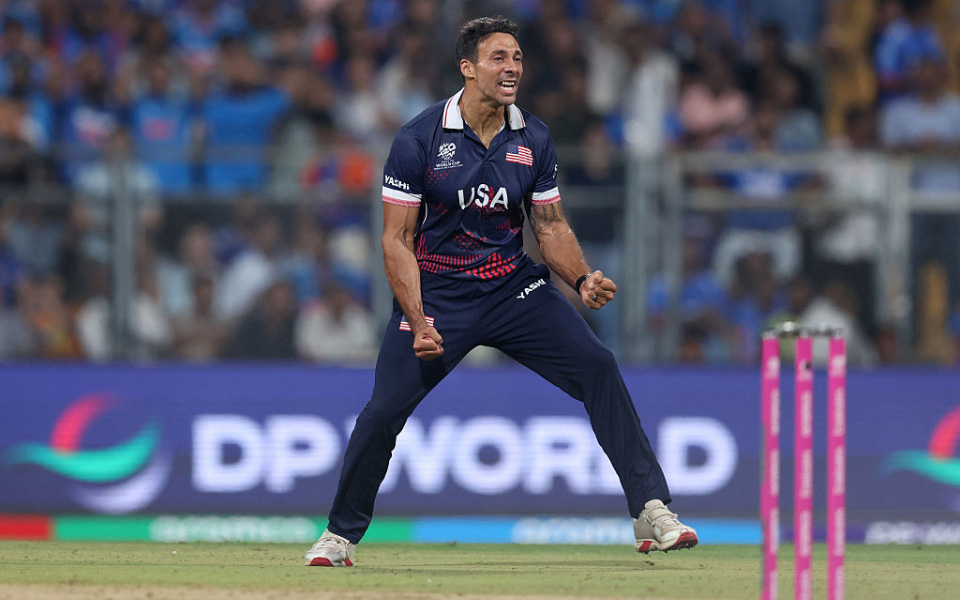
Shadley van Schalkwyk has emerged as the leading wicket-taker of the tournament despite the USA’s early exit. He began his campaign in stunning fashion against India, claiming 4/25 and putting the hosts under immense pressure. He repeated the same figures of 4/25 against Pakistan, proving his ability to perform against top-tier opposition.
Van Schalkwyk maintained his consistency through the group stage, picking up 3/21 against the Netherlands and 2/30 versus Namibia. In just four matches, he claimed 13 wickets at an exceptional average of 7.76 and an economy rate of 6.80.
Blessing Muzarabani (Zimbabwe)

Zimbabwe’s tall speedster Blessing Muzarabani has been another dominant force. He opened strongly with figures of 3/16 against Oman and delivered a memorable 4/17 against Australia, one of the tournament favorites.
Muzarabani ended the group stage with 2/38 against Sri Lanka and continued to contribute in the Super Eight with spells of 2/42 versus West Indies, 1/43 against India, and 1/32 against South Africa. Across six games, he has taken 13 wickets at an average of 14.46 and an economy rate of 7.88, underlining his ability to challenge top batting line-ups.
Lungi Ngidi (South Africa)
South Africa’s Lungi Ngidi has combined wicket-taking ability with economy. He started the tournament with 4/31 against Canada and followed it up with 3/26 versus Afghanistan. Although he managed just 1/34 against New Zealand and went wicketless against India, he remained highly economical.
Ngidi bounced back strongly with 3/30 against West Indies and 1/29 against Zimbabwe. In six matches, he has claimed 12 wickets at an impressive average of 13.75 and a superb economy of 6.87. His ability to strike at key moments has been crucial for the Proteas.
Corbin Bosch (South Africa)

Corbin Bosch has quietly built an impressive campaign. He began steadily with one wicket each against Canada and New Zealand while maintaining tight control. His breakthrough performance came against UAE, where he returned with 3/12.
Bosch continued his fine run with 2/12 against India in the Super Eight and followed it up with 2/31 versus West Indies and 2/40 against Zimbabwe. In six games, he has picked up 11 wickets at an average of 14.18 and an economy rate of 6.78, proving to be a reliable bowling option in pressure situations.
Marco Jansen (South Africa)

Left-arm pacer Marco Jansen has also made a significant mark. He recorded 2/30 against Canada and 1/42 versus Afghanistan before delivering match-winning spells against major opponents. His 4/40 against New Zealand and 4/22 against India were instrumental in South Africa’s dominant run.
Although he conceded 50 runs against West Indies and was rested for the Zimbabwe match, Jansen’s impact has been substantial. In five matches, he has claimed 11 wickets at an average of 16.72. His ability to generate bounce and angle makes him a dangerous prospect heading into the knockout stages.

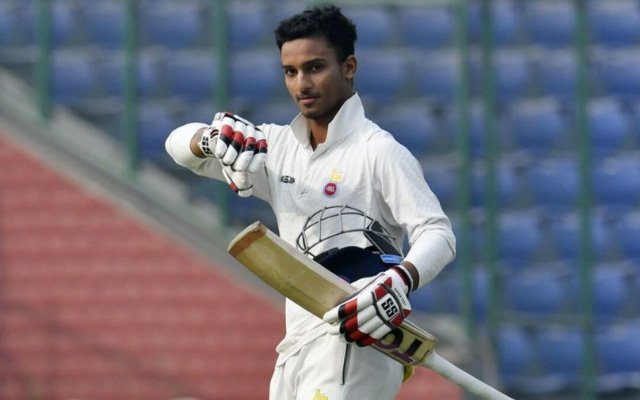
The Duleep Trophy 2026 got underway on August 23, 2026, with two quarter-finals being held simultaneously at two grounds inside the BCCI’s Centre of Excellence in Bengaluru. East Zone are battling it out against North East Zone on Ground 2, while North Zone and West Zone squaring off on Ground 1.
Several batters have used the early round to press their case for a place in India’s Test setup. Three players in particular have caught the eye with their performances across the two quarter-finals.
3 batters who can break into the Indian Test team after Duleep Trophy 2026
3. Shahbaz Ahmed
Shahbaz Ahmed is a batting all-rounder from Bengal who represents East Zone in the 2026 Duleep Trophy. Coming in against North East Zone in the first quarter-final, he produced an outstanding all-round display that is difficult to overlook at the national selection level.
In the same match, Shahbaz scored 167 off 244 balls before picking up three wickets with his left-arm spin. That kind of contribution with both bat and ball makes him a compelling candidate for the Indian Test side, where all-round depth is always valued. People who have seen Shahbaz playing in the Indian Premier League would know that he is also a top-notch fielder.
2. Ayush Badoni
Ayush Badoni is North Zone’s vice-captain in the 2026 Duleep Trophy and represents Delhi. He is a batter who also bowls off-spin, giving him a dual role that adds to his appeal as a Test prospect. The 26-year-old likes to keep the scoreboard ticking and is ideal for how the red-ball format is being played at this moment.
In North Zone’s first innings against West Zone, Badoni struck 51 off 57 balls, batting with utmost ease. At the close of Day 2, he was unbeaten on 39 off 49 balls. North Zone had slipped to 190 for 7 at that stage, and Badoni’s contributions on both occasions stood out amid a middle-order collapse. His off-spin provides a useful additional option for any side he represents.
1. Sudip Kumar Gharami
Sudip Kumar Gharami is a 27-year-old Bengal batter who plays for East Zone. He walked in against North East Zone with his side in early trouble at 25/2 and responded with a composed and attacking innings.
Also Read: 3 reasons why Rishabh Pant needs to score consistently in Tests
Gharami scored 146 off 185 balls, hitting 25 fours and one six at a strike rate of 78.92. With Devdutt Padikkal having scored two centuries in Sri Lanka and appearing to have secured the No. 3 spot in India’s Test order, Gharami could serve as a capable backup for that position. The right-handed batter is technically very solid and is equally good against spin and pace. He is capable of scoring quickly but can also play the waiting game if the conditions are in favour of the bowlers.
.jpeg)
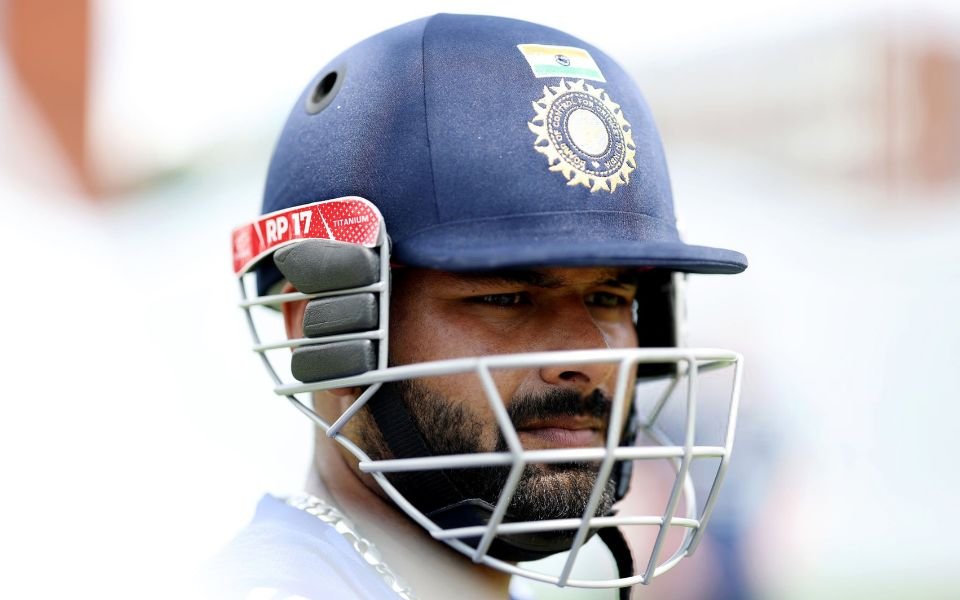
Rishabh Pant is in the middle of an important stretch on India’s Test tour of Sri Lanka. India lead the two-match series 1-0 after winning the 1st Test at Galle by 165 runs, and the 2nd Test is under way at the Sinhalese Sports Club in Colombo.
Across three innings on this tour, Pant has registered two half-centuries. In the 2nd Test, he was dismissed for 63 off 89 deliveries, having hit two sixes and six boundaries. That knock was his 21st Test fifty, and it came after he had retired hurt on 3 on Day 1 following a blow to his left wrist from a Lahiru Kumara delivery. The reasons for him to keep producing such performances, however, go beyond this series alone.
3 reasons why Rishabh Pant needs to score consistently in Tests
3. Competition from Dhruv Jurel and a crowded batting order
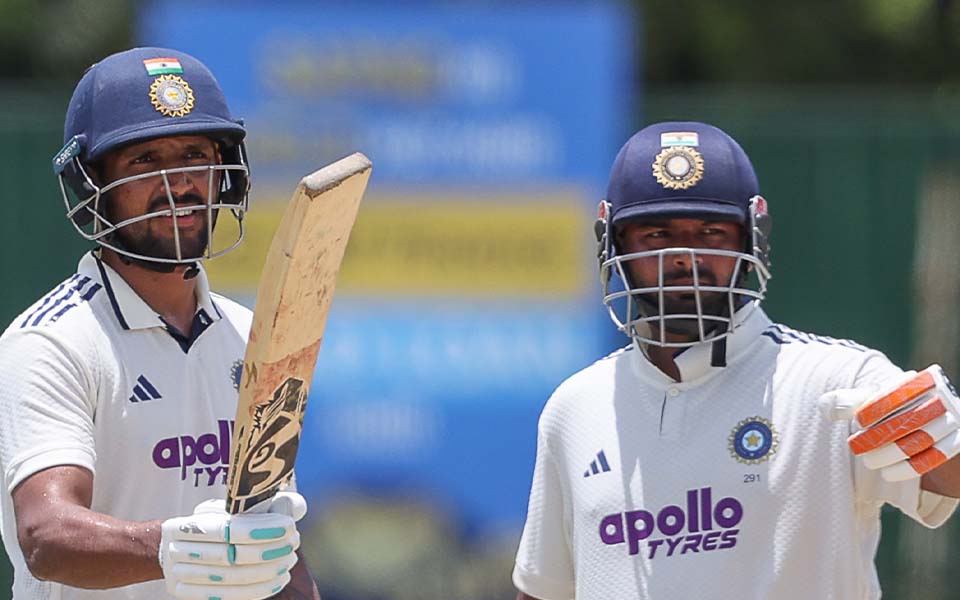
Dhruv Jurel smashed 115 not out off 177 balls, sharing an unbroken 112-run seventh-wicket stand with Pant. It was his second Test century, and he has shown the ability to handle both pace and spin with assurance. Devdutt Padikkal has further strengthened India’s middle order by scoring his second Test century in as many games in this series. He made 117 off 193 deliveries in the 2nd Test, spending close to five hours at the crease and hitting 12 boundaries, following 167 runs in the 1st Test. With Jurel pushing hard for a regular berth and Padikkal firmly established, the batting order is becoming increasingly competitive. Once Sai Sudharsan returns from injury, India may prefer to field him over carrying two wicketkeepers, which would put additional pressure on Pant to justify his place purely on batting merit.
2. His ability to change the course of a game
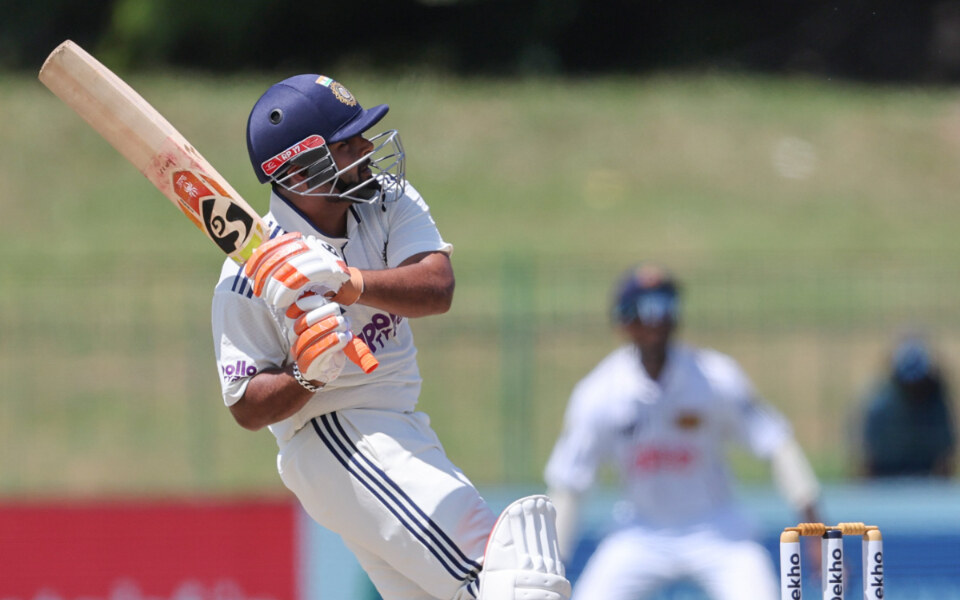
Pant’s value to India is not limited to accumulating runs. In the 1st Test second innings at Galle, he batted on a surface that was turning sharply and offering uneven bounce, finding inventive ways to score by dancing down the pitch, flat-batting short deliveries and pulling balls behind square by getting inside the line. He reached his fifty at a run-a-ball rate in that innings, and the milestone also brought up his 100th Test six, making him only the fourth batter in the world to reach that mark after Adam Gilchrist, Brendon McCullum and Ben Stokes. That kind of counter-attacking batting can shift the momentum of a match within a session or two, a quality that is difficult to replace.
Also Read: ‘I always ask him for advice’ – Dhruv Jurel on batting with Rishabh Pant
1. Proven record in SENA countries and experience during a transition phase
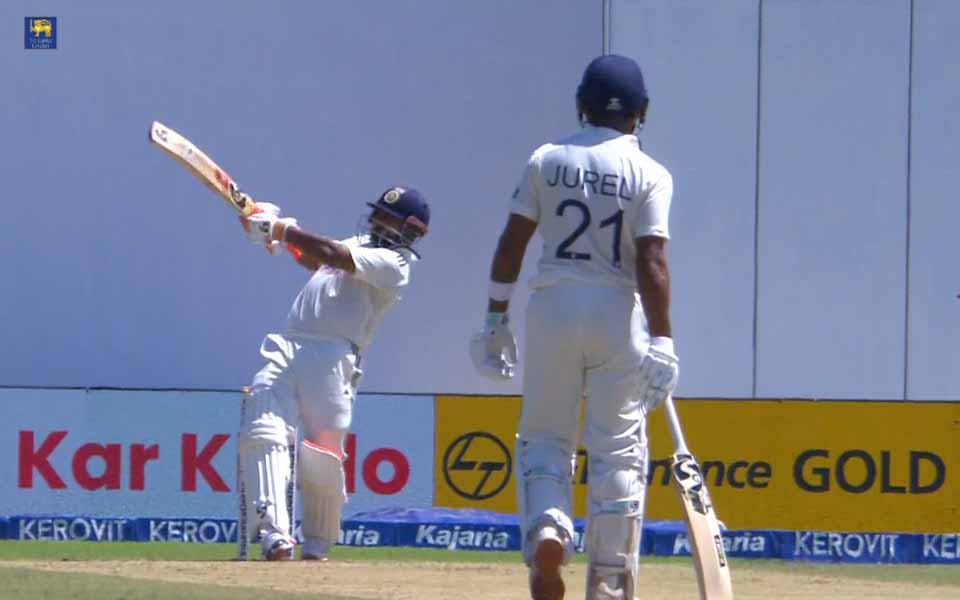
Pant holds Test centuries in Australia, England and South Africa, making him the only Indian wicketkeeper to have scored Test hundreds in each of those three countries. That record in challenging overseas conditions underlines how valuable he is on tours where conditions are least familiar to Indian batters. Beyond the statistics, India are currently in a transition phase with several new faces being given opportunities at the Test level. Pant’s experience in high-pressure situations adds stability to a dressing room that is still finding its shape. A player with his overseas record and match-winning ability will be extremely difficult to replace, which makes consistent run-scoring from him all the more important for India’s Test ambitions going forward.


-(1).jpeg)
The much-awaited three-match ODI series between England and India gets underway at Edgbaston, Birmingham, on Tuesday, July 14. After England emerged victorious in the T20I series, both teams will now shift their focus to the 50-over format, where experienced players are set to return to the spotlight.
With conditions in England expected to assist both seamers and spinners at different stages of the game, bowlers could play a defining role in the series opener. While India will be boosted by the return of one of the world’s finest fast bowlers, England possesses an attack capable of troubling any batting lineup.
Here are 3 bowlers who could make an impact in the first ODI:
3. Adil Rashid (England)
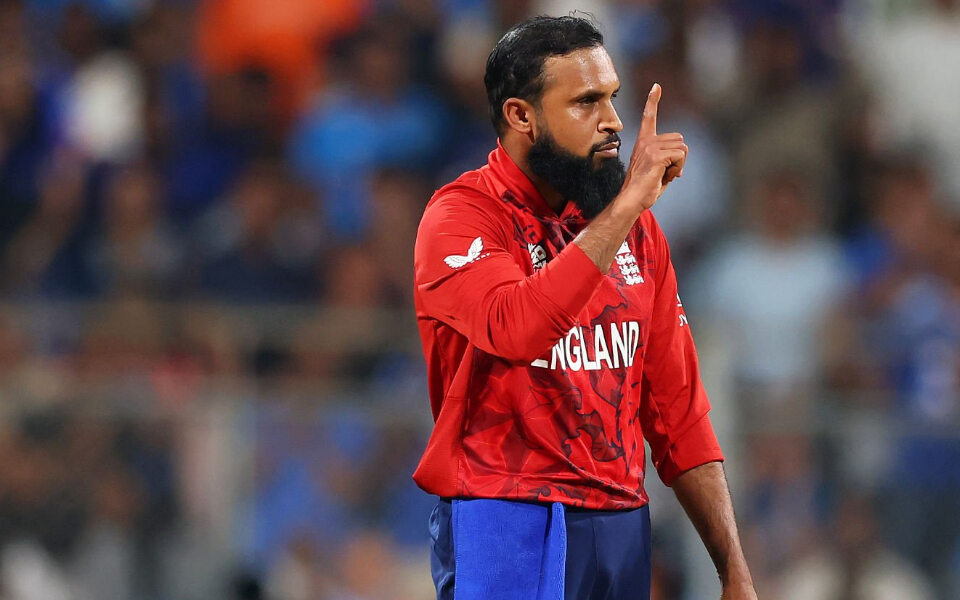
Veteran leg-spinner Adil Rashid remains one of England’s most reliable white-ball bowlers and will once again be a key weapon in the opening ODI.
The 38-year-old enjoyed another productive T20I series against India, using his variations and control to keep the batters under pressure during the middle overs. His ability to break partnerships and bowl in pressure situations makes him a vital member of England’s bowling attack.
Rashid’s ODI numbers further underline his consistency. In 161 ODIs, he has picked up 242 wickets, making him one of England’s most successful bowlers in the format. With several right-handers in India’s batting order, Rashid will look to make full use of the conditions and provide crucial breakthroughs.
2. Jofra Archer (England)
.jpeg)
Jofra Archer enters the ODI series after an impressive performance in the recently concluded T20Is against India. The right-arm pacer claimed seven wickets in four matches while consistently troubling the Indian batters with his express pace and accuracy.
Archer’s biggest strength has always been his ability to generate extra bounce while bowling at high speeds. The conditions at Edgbaston are also expected to suit his style, especially with the new ball.
If he manages to strike early against India’s experienced top order, England could seize control of the contest. His battle against Rohit Sharma and Virat Kohli is likely to be one of the key match-ups to watch in the series opener.
1. Jasprit Bumrah (India)
.jpeg)
All eyes will be on Jasprit Bumrah as the Indian pace spearhead returns to ODI cricket after a long absence. Bumrah last featured in the format during the 2023 ICC Cricket World Cup final against Australia, making this his first ODI appearance in nearly three years.
India has struggled to produce consistent results in recent months, and Bumrah’s return comes as a massive boost for the visitors. Widely regarded as one of the best fast bowlers across formats, the right-armer brings experience, control, and the ability to deliver in every phase of an innings.
Against an aggressive England batting lineup, India’s hopes of making a winning start will largely depend on how much impact Bumrah can create with the ball. If he finds his rhythm early, he could prove to be the difference-maker in the first ODI.
-

 DLSU6 months ago
Shan Nunag shows composure beyond year in La Salle debut
-

 News6 months ago
Camilla Lamina shows calm leadership even off the bench
-
Football6 months ago
2026 Uganda Cup: The confirmed fixtures, venues & kick off times at round of 32
-
Foreign Pros7 months ago
‘Eric Chelle must pay compensation to quit Super Eagles post’
-
Football6 months ago
Divine Mukasa plays full time as Leicester City bows out of FA Cup to Southampton
-

 Cricket News7 months ago
T20 World Cup 2026: 'We've got to stay positive' – Afghanistan coach Jonathan Trott remains hopeful of reaching Super 8 despite back-to-back losses
-

 Basketball6 months ago
Meralco moves on from Ismael Romero, taps Marvin Jones for PBA Comm’s Cup
-
Others7 months ago
Sarah Babirye Kityo: The majestic return to 12th Parliament, to front sports talent development