
Cricket News
What is Virat Kohli's record in ODIs in Wellington?

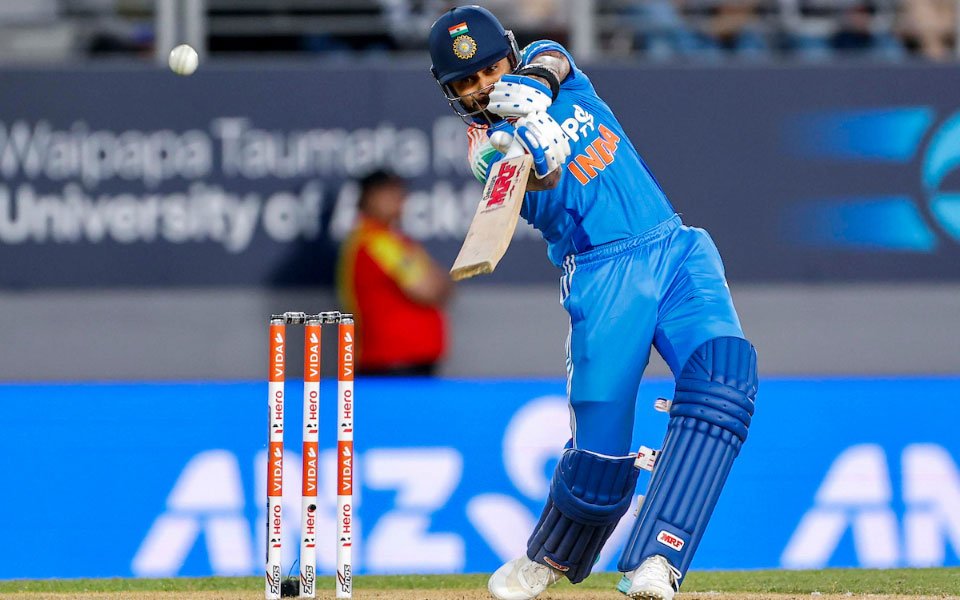
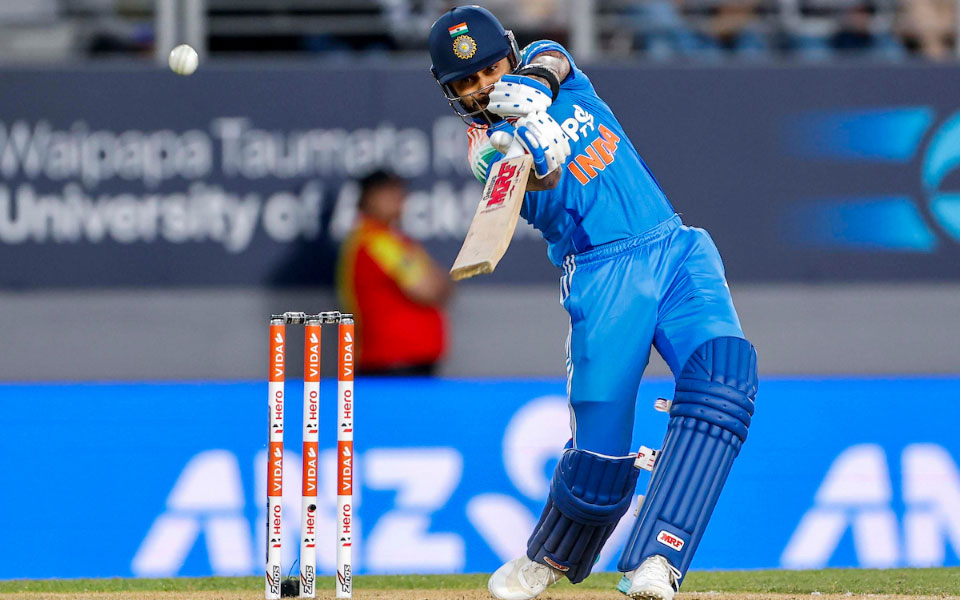
Virat Kohli is set to play only his second ODI at the Wellington Regional Stadium when India face New Zealand in the 2nd match of their five-match series on November 7, 2026. His sole previous appearance at that ground came in January 2014, and it ended in defeat despite a strong personal contribution.
In that 2014 encounter, Kohli scored 82 runs while India chased a target of 304 and fell short. He also contributed with the ball, returning figures of 1 for 36 from 7 overs. The result left him without an ODI win at the Wellington venue, a record he will be looking to change this Saturday.
Ahead of that fixture, India lead the five-match series 1-0 after winning the 1st ODI at Eden Park, Auckland, on November 5, 2026. Chasing a revised target of 143 under the DLS method, India reached the total in 22.4 overs, winning by 5 wickets. Kohli was central to that chase, scoring 74 off just 51 balls, an innings that included 13 fours and 2 sixes. He shared a 113-run partnership with captain Shubman Gill during that match. Rohit Sharma, by contrast, fell for a duck in the same game at Eden Park.
Wellington Regional Stadium is noted for its long straight boundaries, though the square boundaries are considerably shorter, a dimension that could influence how batters approach their innings in the 2nd ODI.
How has Kohli performed in ODIs against New Zealand overall?
Across 13 ODI innings in New Zealand, Kohli has accumulated 596 runs at an average of 49.66, a record that underlines his consistent output against this opposition. That tally includes 1 century and 4 fifties, reflecting his ability to convert starts into substantial contributions.
His broader record against New Zealand across all ODIs spans 37 matches, in which he has scored 1,971 runs at an average of 57.97. That record includes 7 centuries and 11 fifties, making New Zealand one of the opponents against whom Kohli has been most prolific in the format.
The 2014 Wellington ODI, where he made 82 in a losing chase of 304, remains his only appearance at Hnry Stadium and stands as a specific reference point as he returns to the ground more than 12 years later.
Where does Wellington fit in Kohli’s overall ODI career?
Kohli’s ODI career has produced more than 15,000 runs and 55 centuries in total, placing him among the highest run-scorers in the history of the format. His record against New Zealand, both in terms of average and century count, is among the stronger bilateral records in that overall tally.
The 2nd ODI at Wellington Regional Stadium on November 7 will be only his second appearance at the Wellington ground in ODI cricket. His first visit in January 2014 yielded 82 runs but no victory, and India now arrive with a 1-0 series lead and the momentum of a DLS-method win at Eden Park behind them.
Should Kohli perform well in Wellington this time, it would mark a significant personal turnaround at a venue where he has so far experienced only defeat despite contributing meaningfully with both bat and ball in his single previous outing there.

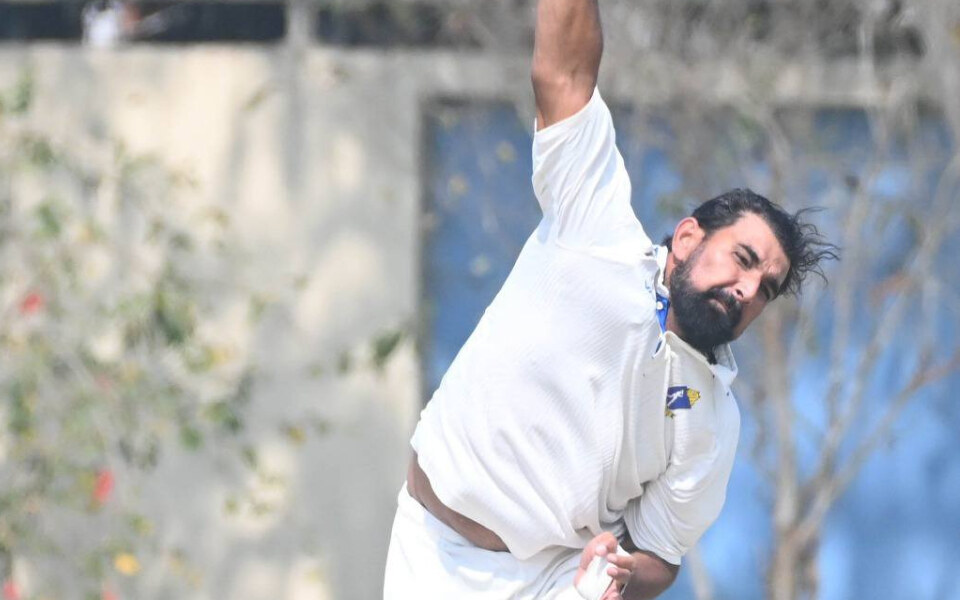
A 13-year chapter in Indian Test cricket closed on Friday, November 6, when Mohammed Shami formally announced his retirement from the longest format. His debut had come against West Indies on November 06, 2013, and his final Test appearance was the 2023 ICC World Test Championship Final against Australia, a stage that few fast bowlers reach even once. Between those two bookends, Shami had not featured in any international cricket since the Champions Trophy final in March 2025 before confirming his decision.
Among the prominent voices to acknowledge Shami’s contribution was WV Raman, whose connection with the fast bowler dates to the 2010 Ranji Trophy season when Raman served as his Bengal coach. That shared history lends a personal dimension to the tribute that goes beyond the routine acknowledgements that typically follow a retirement announcement.
“Mohammed Shami has been a delight to watch all these years during which time he made an indelible impact in the toughest format of the game arguably- test cricket! Well done Shami.. Have fun till you have had enough of this game,” Raman wrote, posting via his official X account on Sunday.
The tribute captures the regard in which Shami is held by those who watched his development from domestic cricket through to the highest level of the international game.
Mohd Shami has been a delight to watch all these years during which time he made an indelible impact in the toughest format of the game arguably- test cricket!
Well done Shami.. Have fun till you have had enough of this game..#cricket
— WV Raman (@wvraman) November 8, 2026
How does Shami’s Test record compare historically?
Across 64 Tests, Shami finished with 229 wickets at an average of 27.71 and a strike rate of 50.2, placing him sixth among India‘s most successful fast bowlers in the format. Six five-wicket hauls punctuated that tally, reflecting his capacity to dismantle batting line-ups on his best days rather than merely accumulate wickets in favourable conditions.
Of those 64 matches, 31 ended in victory for India and 13 were drawn, a record that meant Shami never found himself on the losing side of a home series across his entire Test career.
A strike rate of 50.2 across 64 Tests means Shami delivered a wicket roughly every 50 balls throughout his career, a figure that speaks to sustained penetration rather than the kind of economy-first approach that can inflate averages. His 27.71 average sits comfortably among the better marks recorded by Indian pace bowlers in Test history.
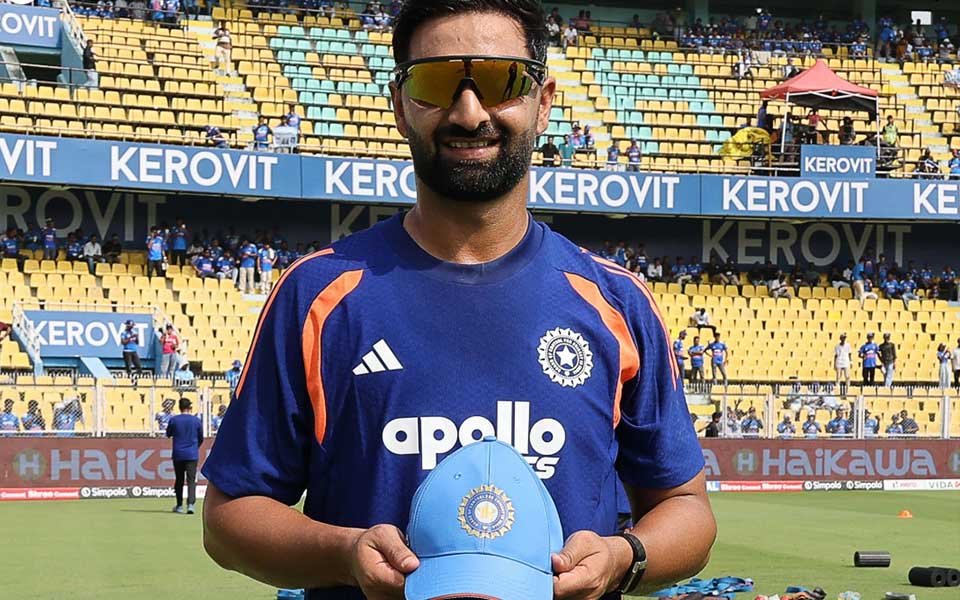
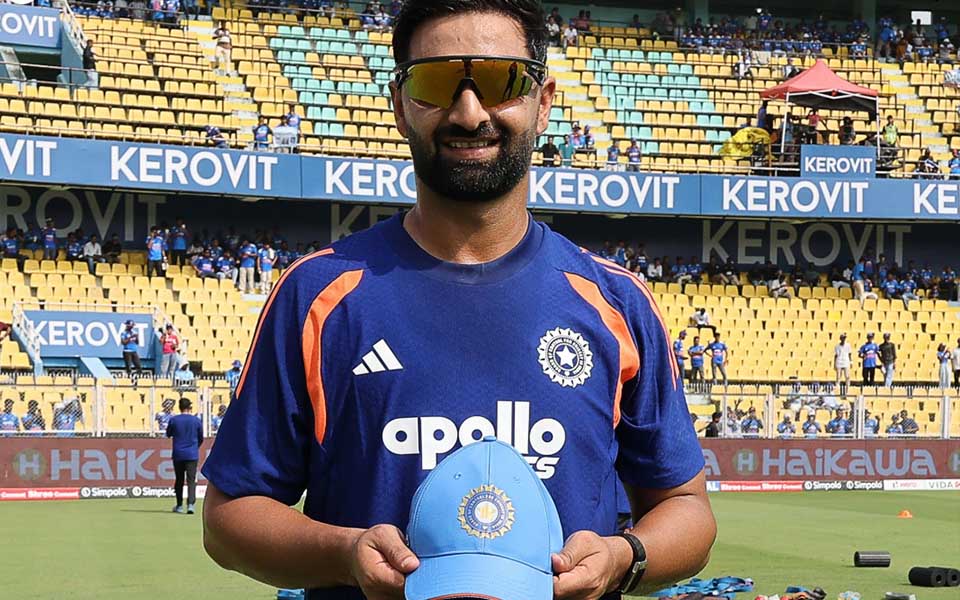
Wellington’s second ODI on November 7, 2026, saw India field first after a delayed start caused by wet outfield conditions. These circumstances created ideal bowling conditions for seam and swing bowlers. Auqib Nabi capitalised on the moisture-laden pitch, claiming two wickets for 31 runs as India restricted New Zealand to 134 in 41 overs. The Afghan bowler removed Tim Seifert for a duck in his opening spell and later accounted for Will Young, whose edge was caught by KL Rahul at slip.
Former Indian cricketer Aakash Chopra examined Nabi’s performance in detail on Cricinfo, highlighting how the seam bowler extracted maximum value from the surface conditions available to him. Chopra noted that the pitch retained moisture from the rain delay and the extended period under covers, which assisted Nabi’s natural bowling strengths.
“Well, if there is help in the surface, Auqib Nabi is best suited to extract something out of it. He’s a seam bowler, swing bowler. He’s a hit-the-deck hard bowler. There was enough help in the surface after the game was delayed because of rain,” Chopra said to Cricinfo.
“The pitch was also under the covers for a fairly long period of time. So surface moisture was still existing. And he was just putting the ball in the right area,” he added.
What weakness did Chopra identify in Nabi’s bowling?
As the innings progressed and New Zealand’s middle order attempted to counter-attack, Nabi’s effectiveness diminished against aggressive batting. Daryl Mitchell’s attacking approach exposed a critical weakness in Nabi’s armoury. When Mitchell began advancing down the pitch, the wicketkeeper had to be brought up to the stumps, fundamentally altering the dynamics of Nabi’s bowling strategy.
“The only issue arrives a little later when Daryl Mitchell starts walking down the pitch and the keeper has to be brought up. Mitchell starts smashing him down the ground. It has happened on two or three occasions. The lack of pace is something that will have to be worked on and he should have a plan when batters start charging down. The moment the keeper is standing up, Nabi looks half the bowler,” Chopra said.
How does Arshdeep Singh’s second ODI compare to his Auckland performance?
Chopra reflected on Arshdeep Singh‘s performances across the series, drawing a comparison between his outings in the first and second matches. In the opening ODI at Auckland on November 4, Arshdeep had conceded 70 runs but claimed four wickets, demonstrating his ability to take wickets even when runs were being scored. His Wellington display showed improved bowling quality despite yielding no wickets in the opening burst.
“Yeah, sometimes it happens. Last game, he conceded 70, but had four wickets to show for his efforts. On Saturday, he bowled a lot better than what he did at Auckland. But then had no wickets to show for it in the opening burst. If you give him the conditions, he is one of the ideal new ball bowlers who has mastered his skills in the shortest format where batters tend to go after you,” Chopra said.
Cricket News
'He will add a lot more value' – Ambati Rayudu backs Ishan Kishan at No.4 for India's third ODI vs New Zealand
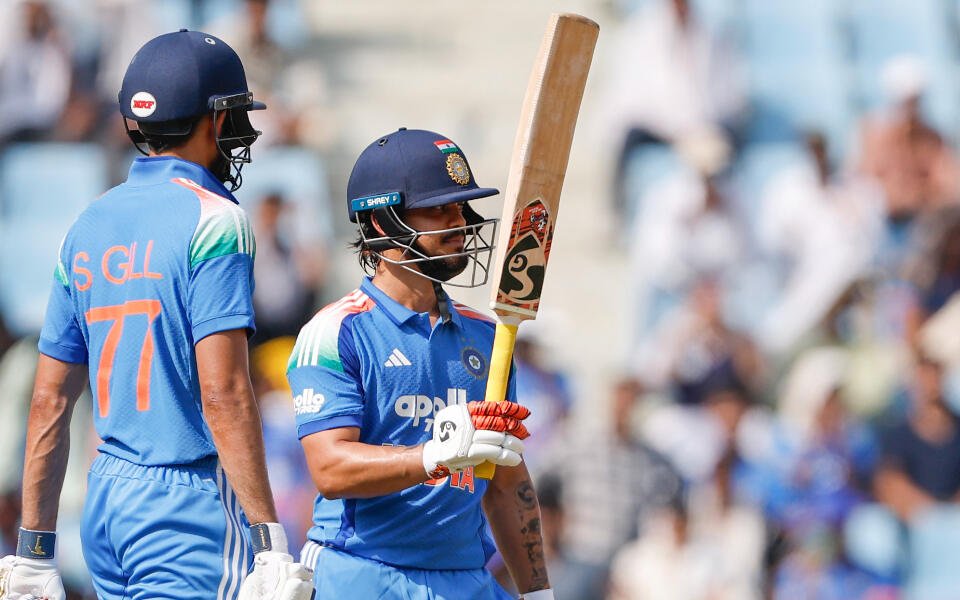

India’s middle-order composition has become a focal point of debate ahead of the third ODI against New Zealand at Seddon Park in Hamilton on November 10. The discussion intensified following the team’s rain-affected chase in the second match at Wellington, where India struggled to build momentum while pursuing 135 runs on a challenging pitch.
Ambati Rayudu has entered the conversation with a specific proposal to strengthen the batting unit through a left-right combination in the middle order. His suggestion centres on bringing a left-hander into the mix alongside a batter with proven ability against both spin and pace bowling.
“There should be a left-hander in the mix, and I want Ishan Kishan to come at No.4, and Shreyas Iyer comes in at No.5 and KL at No.6, and then Axar at No.7. That is only because it brings a left-hander there and someone who is really good against spin and pace. So, I just think that he will add a lot more value even going into the World Cup,” Rayudu said on Cricbuzz.
Why does Rayudu want a left-hander at No.4?
The proposed batting arrangement would place Kishan at No.4, followed by Shreyas Iyer at No.5, KL Rahul at No.6 and Axar Patel at No.7. This restructuring aims to provide tactical flexibility when facing tough bowling conditions and allow the batting unit to adopt counter-attacking strategies when required.
Rayudu explained that the reshuffle would enhance India’s approach during challenging phases of play. He emphasised how the left-hander in the middle order would complement the existing batting structure and create opportunities for calculated risk-taking against quality bowling.
“I just think that it adds far more balance when the conditions are tough, and it also gives you freedom as a batting unit to sometimes have a counter-attack strategy when the bowlers are bowling really well, somebody can take them on as well. So I think it might be an option going forward,” Rayudu said.
Beyond Kishan, Rayudu identified Tilak Varma as an alternative left-hander option for the No.4 position in future matches. Varma’s ability to bowl off-spin would provide additional balance to the batting lineup while maintaining the left-right combination that Rayudu considers essential for India’s middle order.
“Don’t forget, there is the option of Tilak Varma as well, who bowls a bit of off-spin, I’m saying for the future, that there is always the option of a left-hander coming in at No.4, and that will add a lot more value, and I just think that a left-hander being in the mix is very important,” Rayudu said.
-

 Athletics1 month ago
Abeokuta 10km Race winners praise organisers after ₦6m prize payout
-
Featured3 months ago
Bet9ja Foundation Ex-Internationals Cup: Babington Lift Giant Trophy, Pocket ₦2.5m After 3–1 Final Win
-
 Basketball7 months ago
PBA slaps ₱20k fine on Calvin Abueva for F2 upgrade vs Magnolia
-

 DLSU9 months ago
Shan Nunag shows composure beyond year in La Salle debut
-

 News9 months ago
Camilla Lamina shows calm leadership even off the bench
-
Football9 months ago
2026 Uganda Cup: The confirmed fixtures, venues & kick off times at round of 32
-
Foreign Pros9 months ago
‘Eric Chelle must pay compensation to quit Super Eagles post’
-
ADMU9 months ago
Palarong Pambansa MVP Baterbonia commits to Ateneo