
Cricket Appeal
Women's T20 World Cup 2026: Team-wise biggest strength and weakness


The Women’s T20 World Cup 2026 is set to begin on June 11, with 12 teams battling for the ultimate prize. Hosts England will be aiming to lift their maiden T20 World Cup title, while several other teams are chasing additional silverware to add to their trophy cabinets. Every side enters the tournament with unique strengths and vulnerabilities.
Here let us take a look at strength and weakness of each team:
Australia
-(1).jpeg)
Australia remain one of the favourites for the title thanks to their outstanding all-round depth. Players such as Ellyse Perry, Ashleigh Gardner, Annabel Sutherland, and Tahlia McGrath provide immense balance to the squad, contributing significantly with both bat and ball. Their versatility gives Australia unmatched flexibility in team selection and match situations.
The top order may lack the explosiveness it has enjoyed in previous years. Additionally, wicketkeeping depth could be a concern. Beth Mooney is expected to take on the gloves, but unlike Alyssa Healy, who combined elite wicketkeeping with aggressive batting, Mooney has spent much of her career primarily as a specialist batter.
Bangladesh
-(1).jpeg)
Bangladesh possessed a strong spin attack led by Nahida Akter, Shanjida Akther Maghla, and Sultana Khatun. If conditions favour spin, the trio can create significant problems for opposition batters and control the middle overs effectively.
However, the pace-bowling department lacks depth. Marufa Akter is the standout fast-bowling option, but Bangladesh will likely have to rely on part-time seamers for support. Given that English conditions often assist pace bowlers, this could be a major challenge.
India
-(1).jpeg)
India boast one of the strongest top-order batting line-ups in the tournament. Shafali Verma and Smriti Mandhana provide an excellent blend of aggression and stability, while Jemimah Rodrigues is capable of delivering under pressure. Captain Harmanpreet Kaur adds valuable experience and composure in the middle overs.
The lower middle order remains relatively inexperienced. Bharti Fulmali, Nandani Sharma, Shree Charani, and Kranti Gaud could face immense pressure in high-stakes situations, particularly when chasing challenging totals or finishing tight games.
Netherlands
-(1).jpeg)
The Netherlands have a batting unit that is well accustomed to English conditions. Sterre Kalis, captain Babette de Leede, and Robine Rijke form a capable core that can score quickly while maintaining consistency.
But the lack of experience remains their biggest concern. The Dutch squad has limited exposure against powerhouse teams such as Australia and India, and the lack of experience in high-pressure global tournaments could prove costly.
Pakistan
-(1).jpeg)
Pakistan’s spin-bowling attack is among the strongest in the competition. Sadia Iqbal, Nashra Sandhu, and Tuba Hassan have the ability to exploit helpful surfaces and regularly create wicket-taking opportunities.
The batting unit, particularly during the middle overs, remains a concern. Several players, including Eyman Fatima, Natalia Parvaiz, Rameen Shamim, Saira Jabeen, and Tasmia Rubab, are set for their World Cup debuts, while the overall scoring rate of the batting group has often fallen short of modern T20 standards.
South Africa
-(1).jpeg)
South Africa possess world-class all-rounders in Marizanne Kapp, Nadine de Klerk, and Chloe Tryon, all capable of changing a match single-handedly. The pace attack, led by Shabnim Ismail and Dané van Niekerk, adds further strength and experience.
However, the batting line-up can be overly dependent on key players. If Laura Wolvaardt and Tazmin Brits fail to provide a strong start, the middle order has occasionally struggled to maintain momentum and rotate the strike effectively.
England
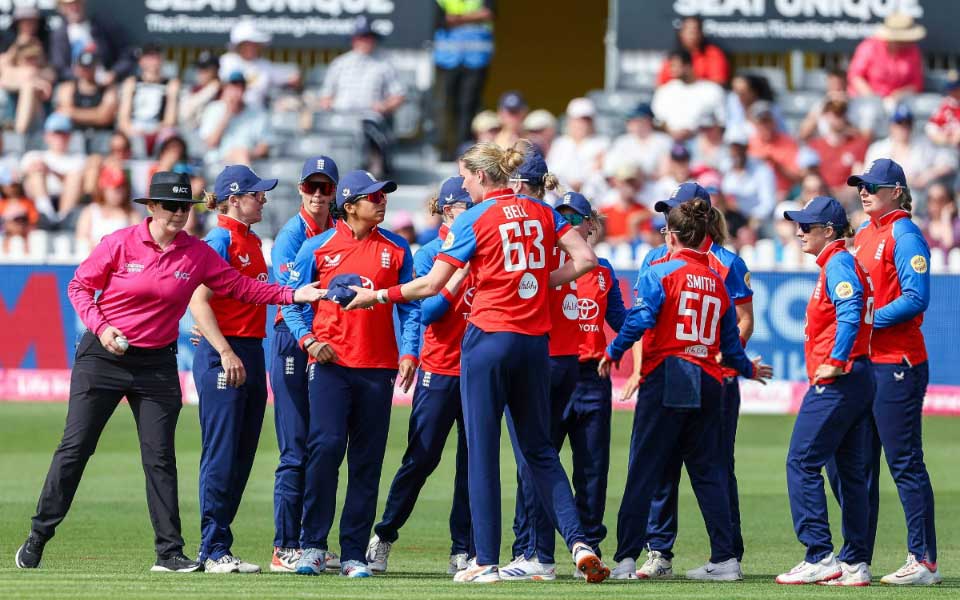
Playing at home is England’s greatest advantage. Familiarity with local conditions, pitches, and weather patterns will allow them to adapt quickly and maximize their strengths. Their bowlers, in particular, can exploit overcast conditions effectively.
The top order has shown signs of inconsistency. Danni Wyatt-Hodge and Alice Capsey are crucial to England’s success, but if early wickets fall, the batting line-up can come under pressure against quality pace attacks.
Ireland
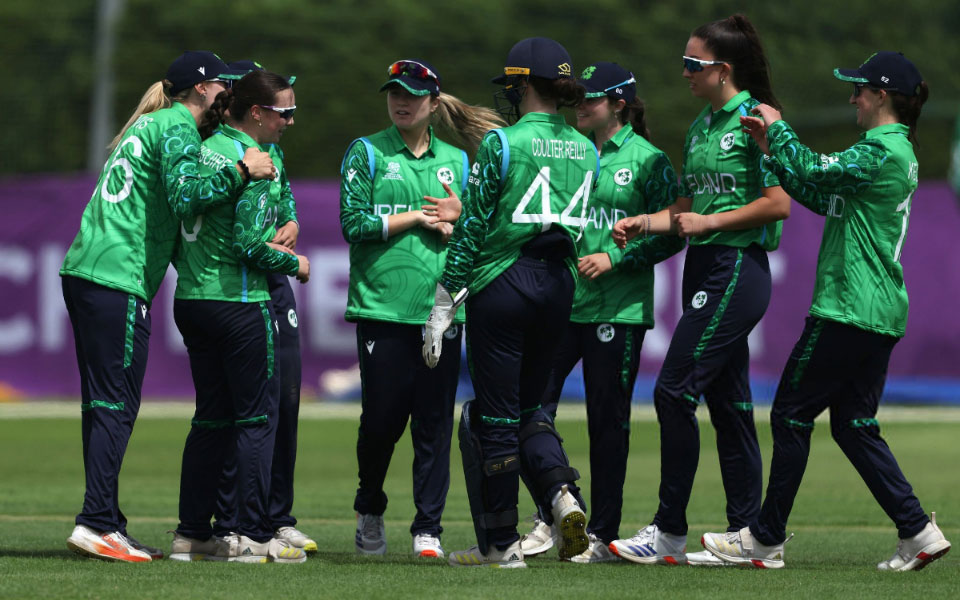
Ireland’s top-order batters are in excellent form. Gaby Lewis, Orla Prendergast, and Amy Hunter provide a solid foundation and have the ability to challenge even the strongest bowling attacks.
Batting depth remains a concern. With several inexperienced players in the lower order, Ireland may struggle against elite bowling attacks if the top order fails to deliver.
New Zealand
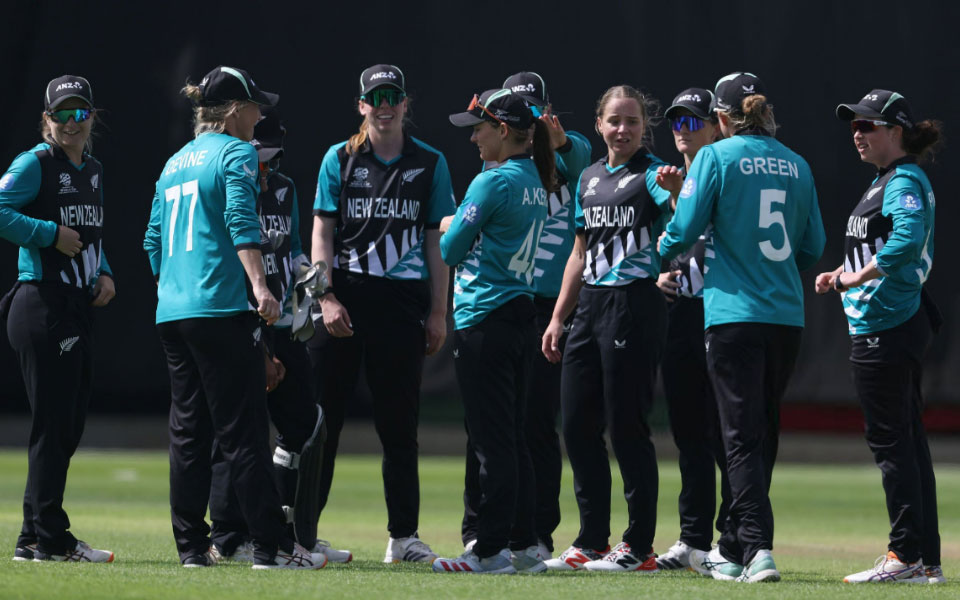
New Zealand’s experienced core is their biggest asset. Sophie Devine, Suzie Bates, and Melie Kerr bring leadership, skill, and composure, while their wealth of international experience is invaluable in tournament cricket.
The White Ferns can sometimes become overly reliant on their senior stars. If the experienced top-order players fail, the middle order has occasionally struggled to maintain scoring momentum.
Scotland
-(1).jpeg)
Scotland’s greatest asset is their settled group of all-rounders. Captain Kathryn Bryce and wicketkeeper-batter Sarah Bryce form a highly experienced and dependable partnership, while former England spinner Kirstie Gordon adds valuable expertise.
However, the batting line-up can become vulnerable if opposition teams dismiss the Bryce sisters and Darcey Carter early. The lower order has often found it difficult to maintain the required scoring rate against stronger teams.
Sri Lanka
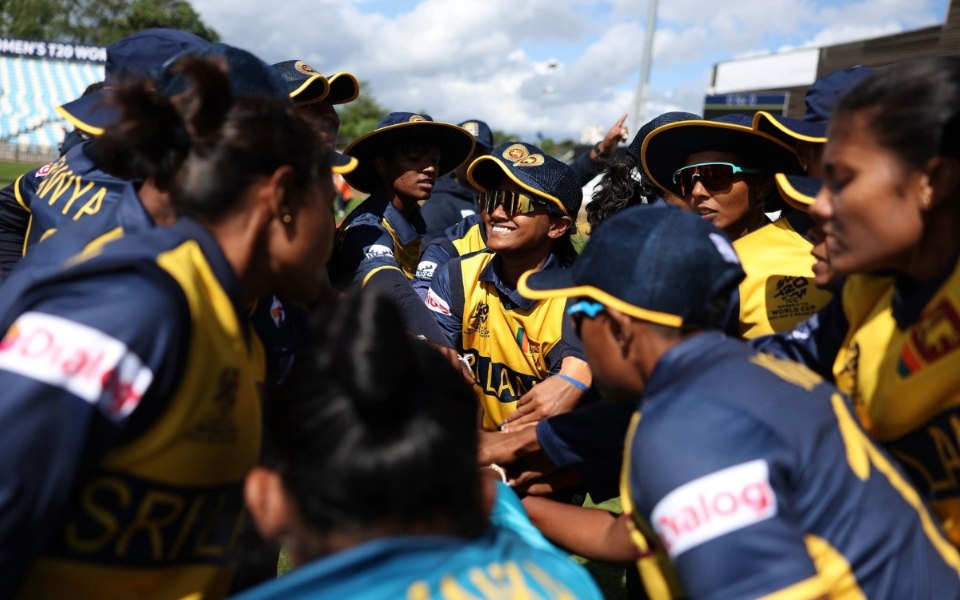
Captain Chamari Athapaththu remains Sri Lanka’s most influential player. Alongside Vishmi Gunarathne and Harshitha Samarawickrama, she forms a strong and experienced top-order unit capable of anchoring innings and accelerating when required.
While the batting unit contains several experienced performers, the bowling attack lacks proven depth at the highest level. With multiple tournament debutants in the squad, handling pressure on the global stage could be a challenge.
West Indies
-(1).jpeg)
The West Indies possess one of the most powerful all-round groups in the tournament. Hayley Matthews, Deandra Dottin, and Stafanie Taylor bring match-winning ability, while Chinelle Henry and Qiana Joseph add further firepower to the batting line-up.
The team relies heavily on its experienced stars. Beyond the senior core, several younger players, including Jahzara Claxton, Ashmini Munisar, Jannillea Glasgow, and Zaida James, are still developing at the international level. If the senior players fail, the team’s scoring momentum can quickly stall.

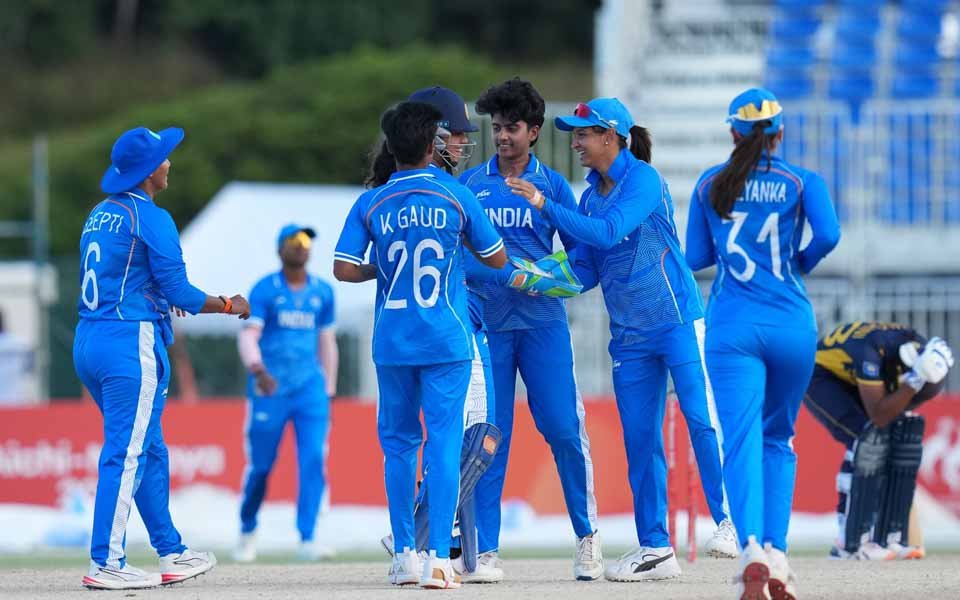
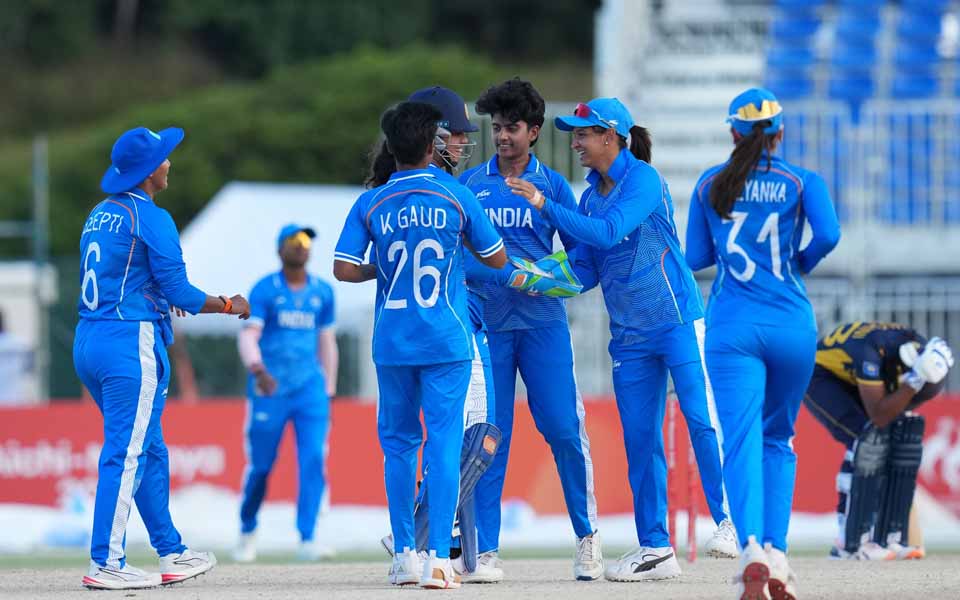
Eight teams competed in the Women’s cricket event at the 2026 Asian Games, held at Korogi Sports Park in Nisshin, Japan. India claimed gold by defeating Sri Lanka in the final by 147 runs on September 22, 2026, while Pakistan won bronze against Bangladesh by 31 runs on the same day.
Several batters stood out across the tournament with consistent and high-impact performances. Here is a look at the three leading run-scorers from the Women’s Asian Games 2026.
Top 3 run-getters in Women’s Asian Games 2026
3. Smriti Mandhana (India)
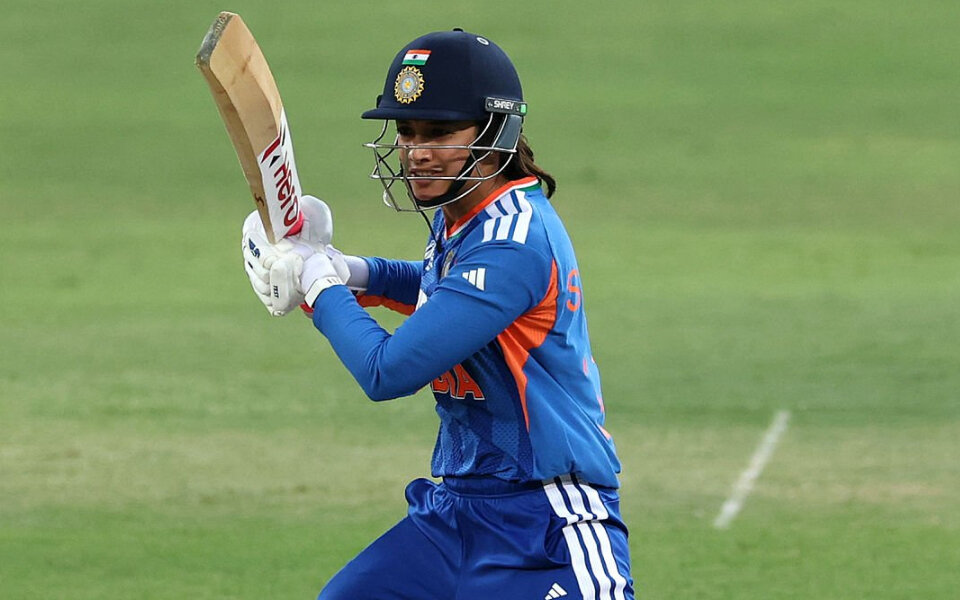
Smriti Mandhana was the third-highest run-scorer in the Women’s Asian Games 2026. She did not bat in the quarter-final against Japan, with her runs coming across the remaining matches of the tournament.
Mandhana’s contributions were vital in supporting India’s campaign alongside Shafali at the top of the order. Her performances helped India progress through the knockout stages and ultimately claim the gold medal at Korogi Sports Park. In two innings, she scored 116 runs at a strike rate of 181.25. Her knock of 79 off 45 balls in the final against Sri Lanka showcased her batting prowess when the stakes are at their highest.
2. Chamari Athapaththu (Sri Lanka)
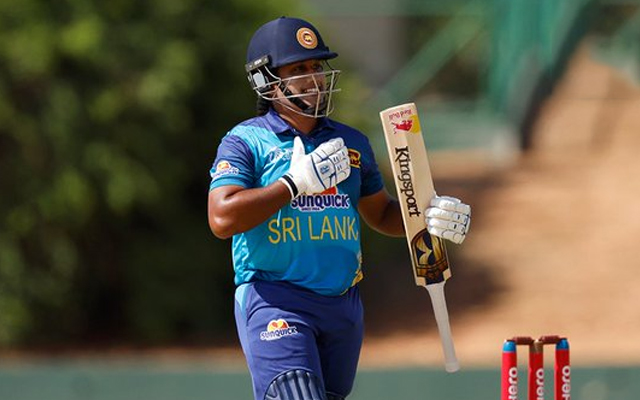
Chamari Athapaththu was the second-highest run-scorer of the tournament, accumulating 175 runs across three innings. She struck at 162.04, providing Sri Lanka with a reliable top-order presence throughout.
Athapaththu began with 63 off 37 balls against Malaysia in the group stage. She then scored 83 not out off 50 balls against Pakistan in the semi-final, which was the highest score by a woman in the competition’s history before Shafali’s century later that day. In the final against India, Athapaththu scored 29 off 21 balls, finishing as Sri Lanka’s top scorer in that match.
1. Shafali Verma (India)
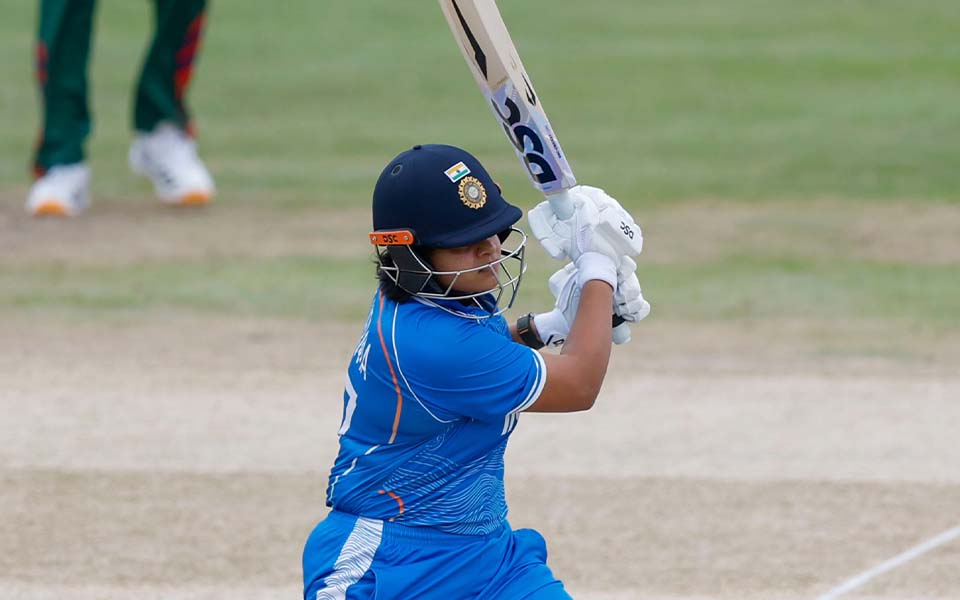
Shafali Verma was the standout batter of the tournament, finishing with 188 runs across three innings. She struck at 202.15, underlining her aggressive approach throughout the competition.
Against Japan in the quarter-final, Shafali scored 40 not out off 15 balls. She then produced a historic knock in the semi-final against Bangladesh, scoring 100 not out off 49 balls, hitting three fours and nine sixes at a strike rate of 204.08. That century made her the first woman to score a hundred in the Asian Games and was also her maiden T20I century. Her nine sixes in that innings were the most by an India batter in a women’s T20I innings, surpassing Harmanpreet Kaur’s eight against New Zealand in the 2018 T20 World Cup. In the final against Sri Lanka, Shafali contributed 48 off 29 balls. She also became the woman with the most sixes in a calendar year in 2026, hitting 35 in total.
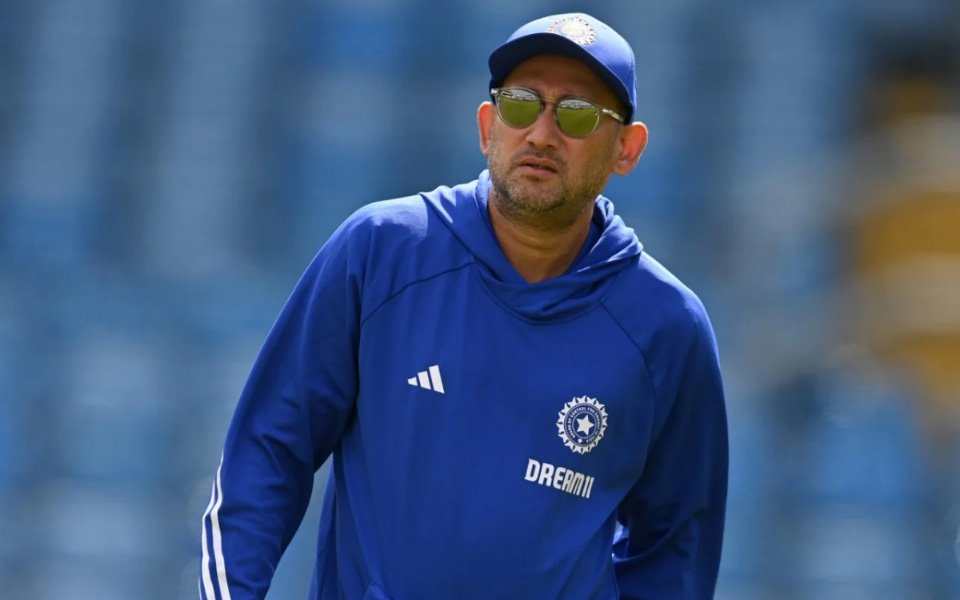
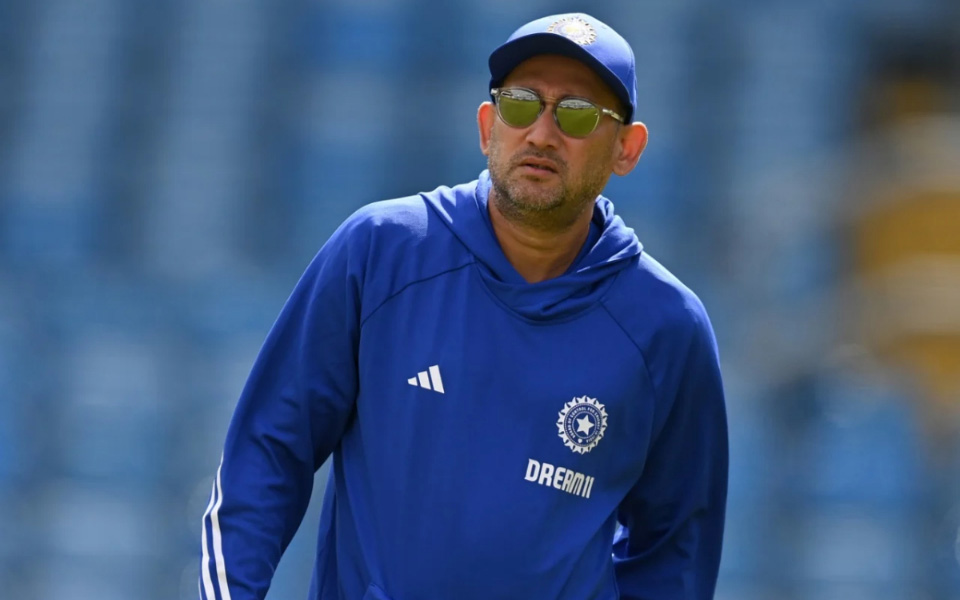
Ajit Agarkar’s time as Chairman of India’s Senior Men’s Selection Committee appears to be drawing to a close. Appointed on July 4, 2023, he replaced Chetan Sharma and went on to pick squads for three major ICC events, including the ODI World Cup 2023, the T20 World Cup 2024, and the T20 World Cup 2026.
Reports suggest that a one-year extension for Agarkar is unlikely, with neither the chief selector nor BCCI officials moving forward with it. The September 16 selection meeting, where squads for the upcoming ODI and T20I series against the West Indies were announced, may have been his last. The BCCI’s Annual General Meeting is expected to decide the matter, after which office-bearers have been given authority to finalise the new appointment.
Here are 3 replacement options for Ajit Agarkar as India’s chief selector
3. Pragyan Ojha
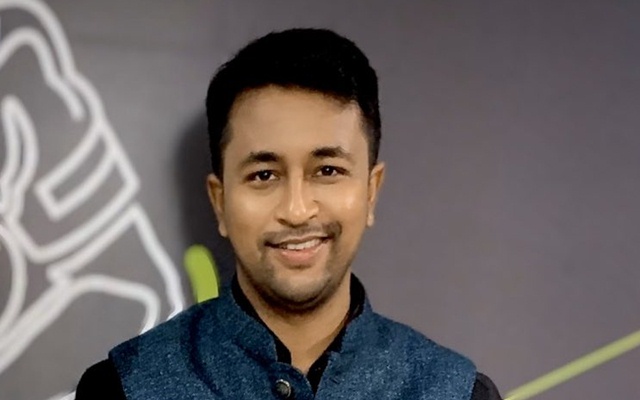
Pragyan Ojha is widely regarded as a frontrunner for the top selection role. He is already a sitting member of the five-man committee headed by Agarkar, alongside Shiv Sundar Das, Ajay Ratra, and R.P. Singh. His familiarity with the current system and his working knowledge of the panel’s processes make him what many observers describe as the most straightforward option available to the BCCI.
Ojha represented India in 24 Tests, 18 ODIs, and 6 T20Is, claiming 113 wickets in Test cricket alone. His active presence on the existing selection panel means he already understands the demands of the role. He is also reported to have strong connections within the BCCI, which could smooth any transition if he were elevated to the chairman’s position.
2. VVS Laxman
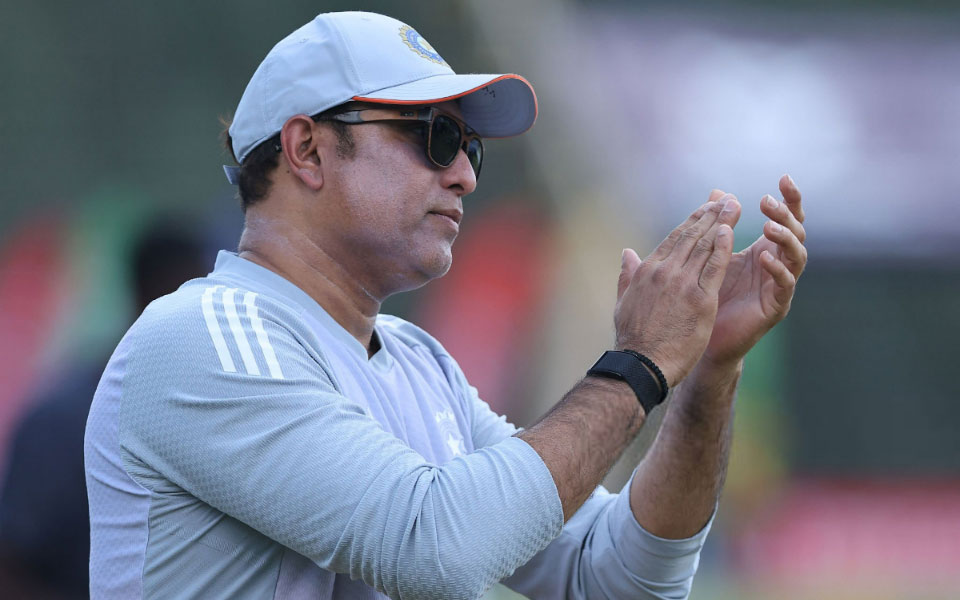
VVS Laxman‘s name has been circulating in cricketing circles as a possible option to lead the selection committee. He currently heads the Centre of Excellence in Bengaluru and has stepped in to coach the India team on a stand-in basis on more than one occasion. However, sources note that he has not actively sought out larger administrative positions within the BCCI.
Whoever takes charge will inherit a selection panel that has already drawn scrutiny. The committee faced criticism for removing 2026 T20 World Cup-winning captain Suryakumar Yadav from his captaincy and squad, and for leaving out Sanju Samson, the 2026 T20 World Cup Player of the Tournament, from the T20I series against Zimbabwe. The incoming chief selector will also have the significant responsibility of building India’s squad for the 2027 ODI World Cup.
1. Parthiv Patel
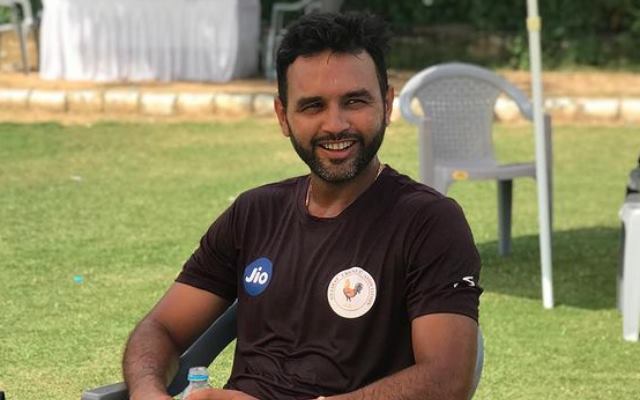
Parthiv Patel has been a prominent name in discussions around the chief selector role for some time. Reports from india dot com dated September 18 indicate he is set to take over as the West Zone selector and may also be considered for the chairman’s post. His background spans both playing and franchise cricket roles, having served as assistant coach of Gujarat Titans in IPL 2026.
Parthiv played 25 Tests, 38 ODIs, and 2 T20Is for India, accumulating 1,706 runs across formats along with 93 catches and 18 stumpings. His exposure to franchise environments and talent identification at the highest domestic level adds a different dimension to his profile compared to the other candidates being considered.
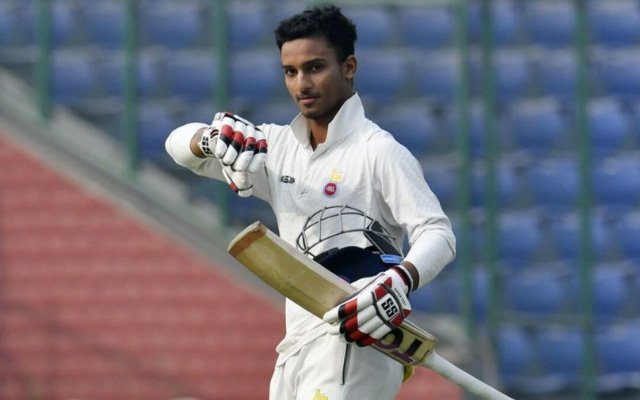
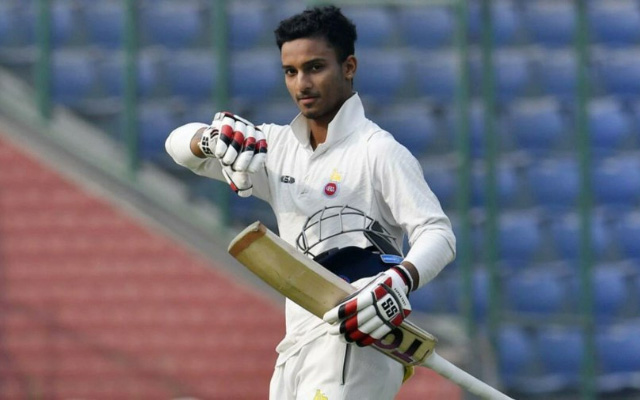
The Duleep Trophy 2026 got underway on August 23, 2026, with two quarter-finals being held simultaneously at two grounds inside the BCCI’s Centre of Excellence in Bengaluru. East Zone are battling it out against North East Zone on Ground 2, while North Zone and West Zone squaring off on Ground 1.
Several batters have used the early round to press their case for a place in India’s Test setup. Three players in particular have caught the eye with their performances across the two quarter-finals.
3 batters who can break into the Indian Test team after Duleep Trophy 2026
3. Shahbaz Ahmed
Shahbaz Ahmed is a batting all-rounder from Bengal who represents East Zone in the 2026 Duleep Trophy. Coming in against North East Zone in the first quarter-final, he produced an outstanding all-round display that is difficult to overlook at the national selection level.
In the same match, Shahbaz scored 167 off 244 balls before picking up three wickets with his left-arm spin. That kind of contribution with both bat and ball makes him a compelling candidate for the Indian Test side, where all-round depth is always valued. People who have seen Shahbaz playing in the Indian Premier League would know that he is also a top-notch fielder.
2. Ayush Badoni
Ayush Badoni is North Zone’s vice-captain in the 2026 Duleep Trophy and represents Delhi. He is a batter who also bowls off-spin, giving him a dual role that adds to his appeal as a Test prospect. The 26-year-old likes to keep the scoreboard ticking and is ideal for how the red-ball format is being played at this moment.
In North Zone’s first innings against West Zone, Badoni struck 51 off 57 balls, batting with utmost ease. At the close of Day 2, he was unbeaten on 39 off 49 balls. North Zone had slipped to 190 for 7 at that stage, and Badoni’s contributions on both occasions stood out amid a middle-order collapse. His off-spin provides a useful additional option for any side he represents.
1. Sudip Kumar Gharami
Sudip Kumar Gharami is a 27-year-old Bengal batter who plays for East Zone. He walked in against North East Zone with his side in early trouble at 25/2 and responded with a composed and attacking innings.
Also Read: 3 reasons why Rishabh Pant needs to score consistently in Tests
Gharami scored 146 off 185 balls, hitting 25 fours and one six at a strike rate of 78.92. With Devdutt Padikkal having scored two centuries in Sri Lanka and appearing to have secured the No. 3 spot in India’s Test order, Gharami could serve as a capable backup for that position. The right-handed batter is technically very solid and is equally good against spin and pace. He is capable of scoring quickly but can also play the waiting game if the conditions are in favour of the bowlers.
-
 DLSU7 months ago
Shan Nunag shows composure beyond year in La Salle debut
-

 News7 months ago
Camilla Lamina shows calm leadership even off the bench
-
Football7 months ago
2026 Uganda Cup: The confirmed fixtures, venues & kick off times at round of 32
-
Foreign Pros7 months ago
‘Eric Chelle must pay compensation to quit Super Eagles post’
-
Football7 months ago
Divine Mukasa plays full time as Leicester City bows out of FA Cup to Southampton
-

 Cricket News7 months ago
T20 World Cup 2026: 'We've got to stay positive' – Afghanistan coach Jonathan Trott remains hopeful of reaching Super 8 despite back-to-back losses
-
Others8 months ago
Sarah Babirye Kityo: The majestic return to 12th Parliament, to front sports talent development
-

 Basketball7 months ago
Meralco moves on from Ismael Romero, taps Marvin Jones for PBA Comm’s Cup