
Cricket Appeal
Women's T20 World Cup 2026: Team-wise biggest strength and weakness

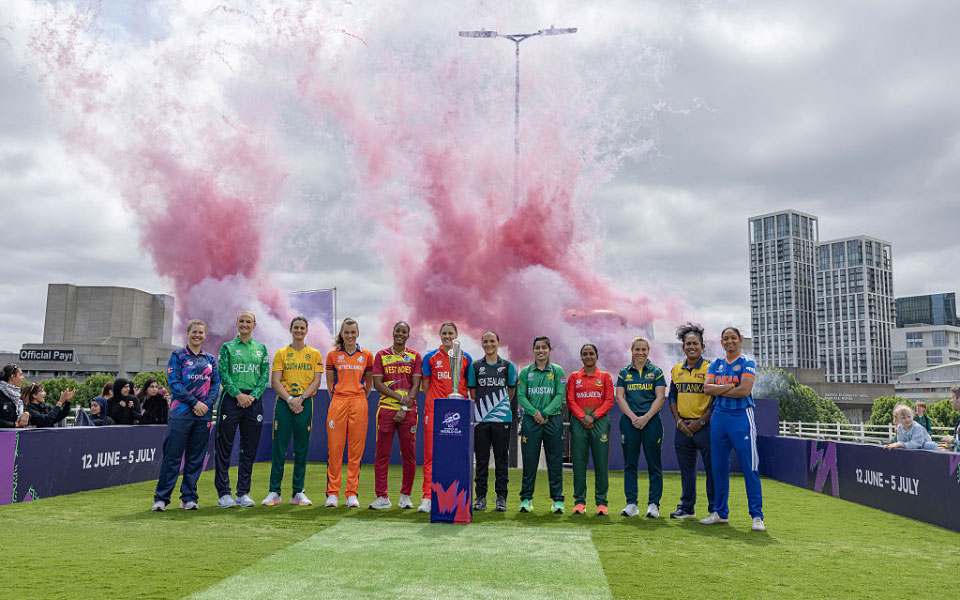
The Women’s T20 World Cup 2026 is set to begin on June 11, with 12 teams battling for the ultimate prize. Hosts England will be aiming to lift their maiden T20 World Cup title, while several other teams are chasing additional silverware to add to their trophy cabinets. Every side enters the tournament with unique strengths and vulnerabilities.
Here let us take a look at strength and weakness of each team:
Australia
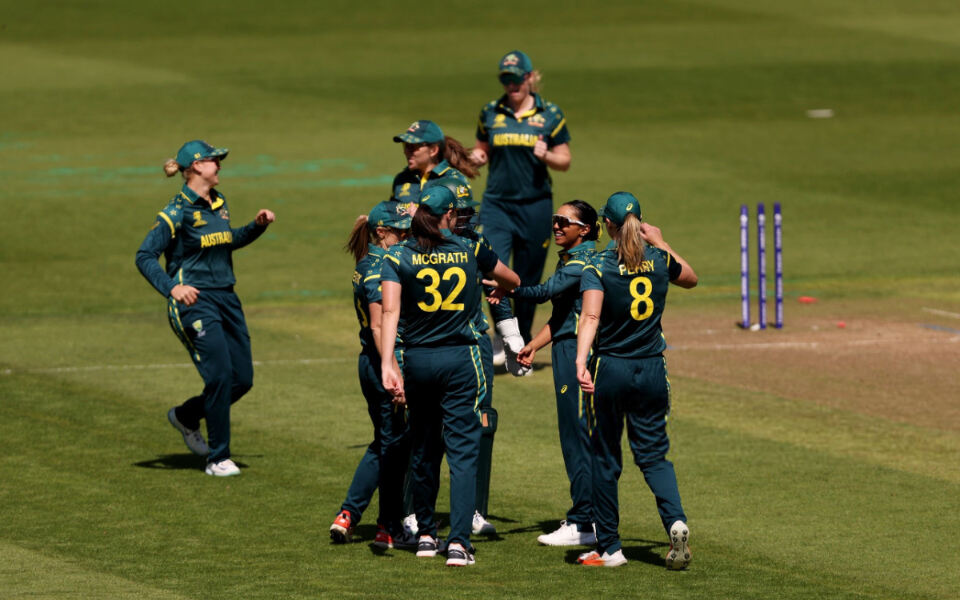
Australia remain one of the favourites for the title thanks to their outstanding all-round depth. Players such as Ellyse Perry, Ashleigh Gardner, Annabel Sutherland, and Tahlia McGrath provide immense balance to the squad, contributing significantly with both bat and ball. Their versatility gives Australia unmatched flexibility in team selection and match situations.
The top order may lack the explosiveness it has enjoyed in previous years. Additionally, wicketkeeping depth could be a concern. Beth Mooney is expected to take on the gloves, but unlike Alyssa Healy, who combined elite wicketkeeping with aggressive batting, Mooney has spent much of her career primarily as a specialist batter.
Bangladesh
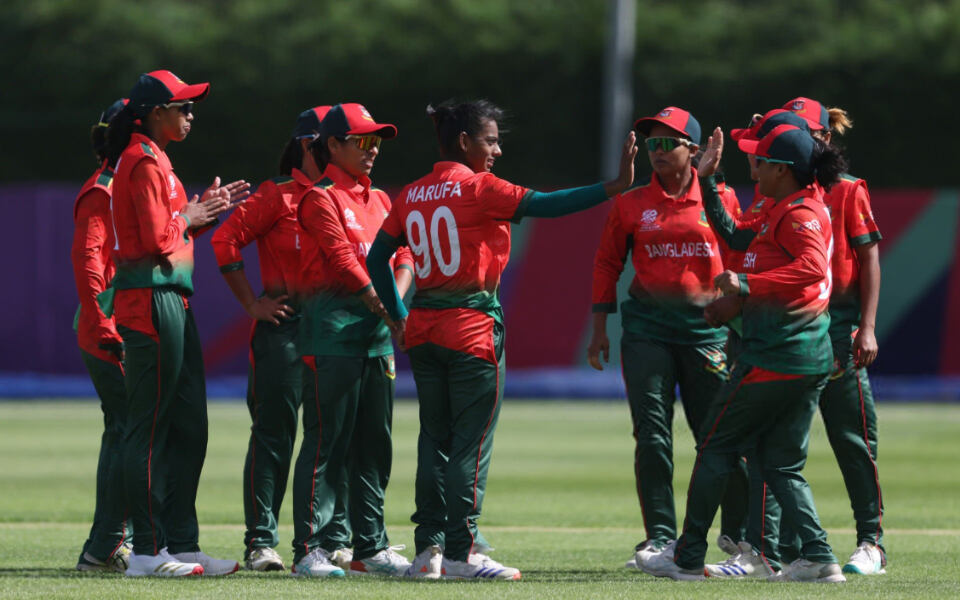
Bangladesh possessed a strong spin attack led by Nahida Akter, Shanjida Akther Maghla, and Sultana Khatun. If conditions favour spin, the trio can create significant problems for opposition batters and control the middle overs effectively.
However, the pace-bowling department lacks depth. Marufa Akter is the standout fast-bowling option, but Bangladesh will likely have to rely on part-time seamers for support. Given that English conditions often assist pace bowlers, this could be a major challenge.
India
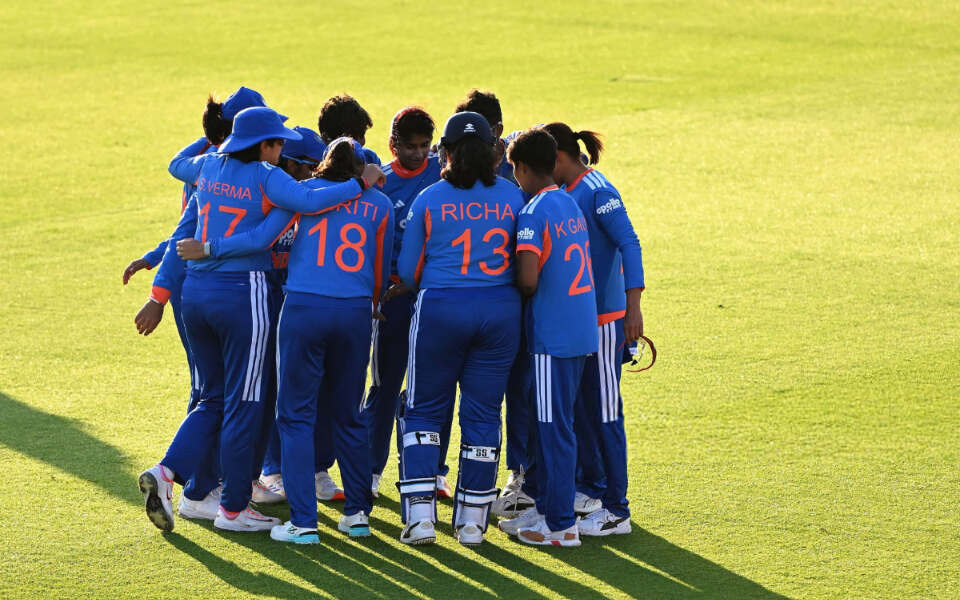
India boast one of the strongest top-order batting line-ups in the tournament. Shafali Verma and Smriti Mandhana provide an excellent blend of aggression and stability, while Jemimah Rodrigues is capable of delivering under pressure. Captain Harmanpreet Kaur adds valuable experience and composure in the middle overs.
The lower middle order remains relatively inexperienced. Bharti Fulmali, Nandani Sharma, Shree Charani, and Kranti Gaud could face immense pressure in high-stakes situations, particularly when chasing challenging totals or finishing tight games.
Netherlands
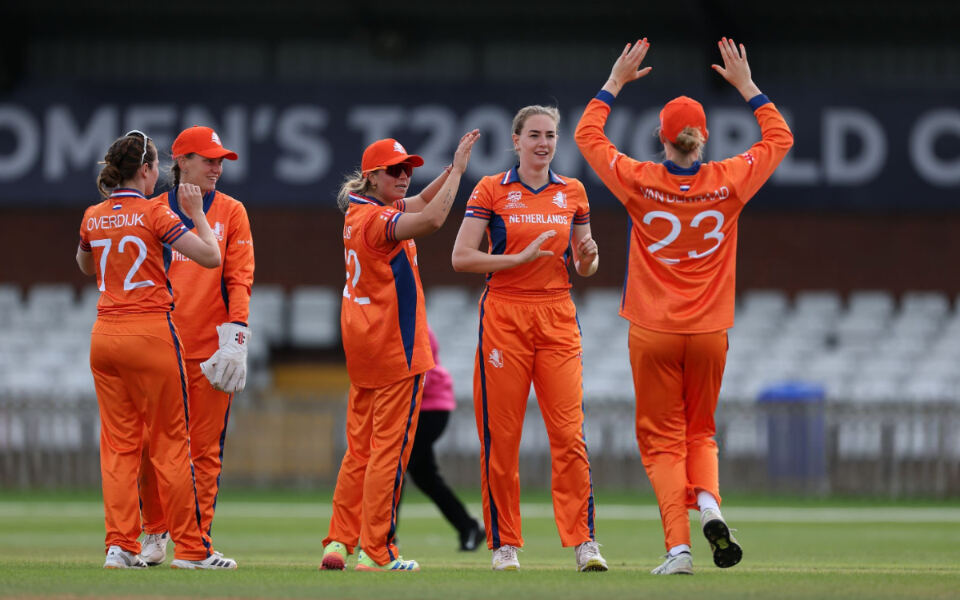
The Netherlands have a batting unit that is well accustomed to English conditions. Sterre Kalis, captain Babette de Leede, and Robine Rijke form a capable core that can score quickly while maintaining consistency.
But the lack of experience remains their biggest concern. The Dutch squad has limited exposure against powerhouse teams such as Australia and India, and the lack of experience in high-pressure global tournaments could prove costly.
Pakistan
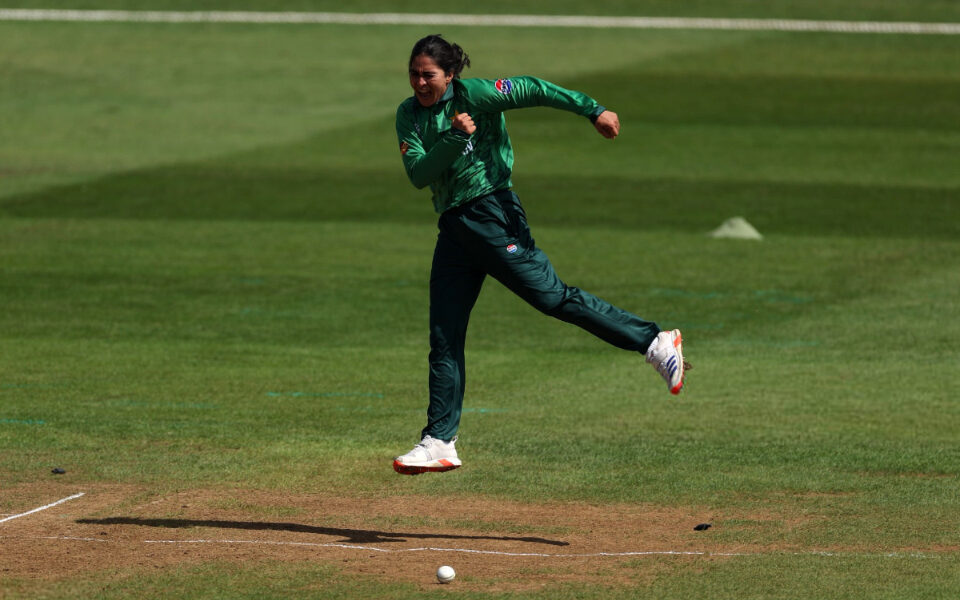
Pakistan’s spin-bowling attack is among the strongest in the competition. Sadia Iqbal, Nashra Sandhu, and Tuba Hassan have the ability to exploit helpful surfaces and regularly create wicket-taking opportunities.
The batting unit, particularly during the middle overs, remains a concern. Several players, including Eyman Fatima, Natalia Parvaiz, Rameen Shamim, Saira Jabeen, and Tasmia Rubab, are set for their World Cup debuts, while the overall scoring rate of the batting group has often fallen short of modern T20 standards.
South Africa
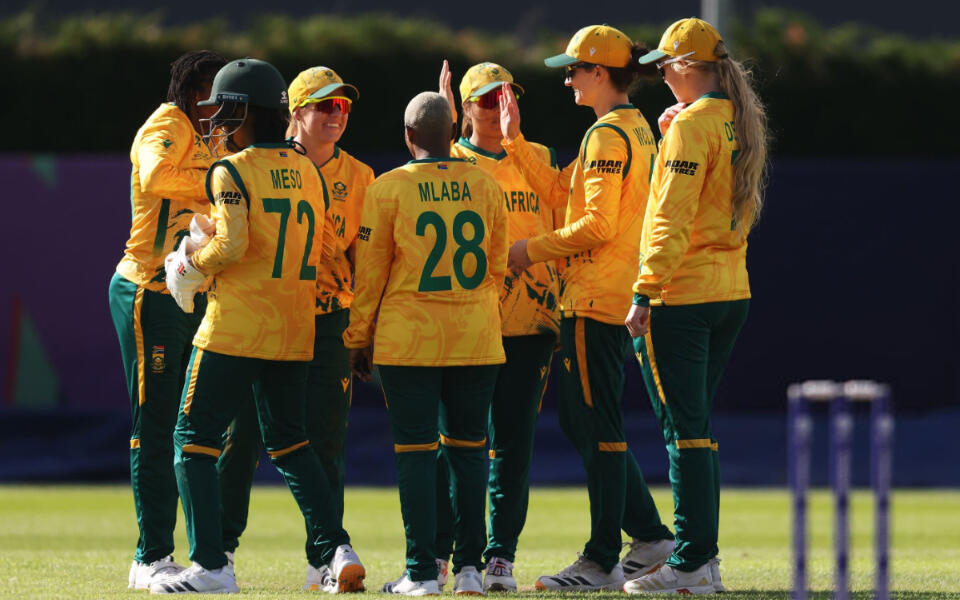
South Africa possess world-class all-rounders in Marizanne Kapp, Nadine de Klerk, and Chloe Tryon, all capable of changing a match single-handedly. The pace attack, led by Shabnim Ismail and Dané van Niekerk, adds further strength and experience.
However, the batting line-up can be overly dependent on key players. If Laura Wolvaardt and Tazmin Brits fail to provide a strong start, the middle order has occasionally struggled to maintain momentum and rotate the strike effectively.
England
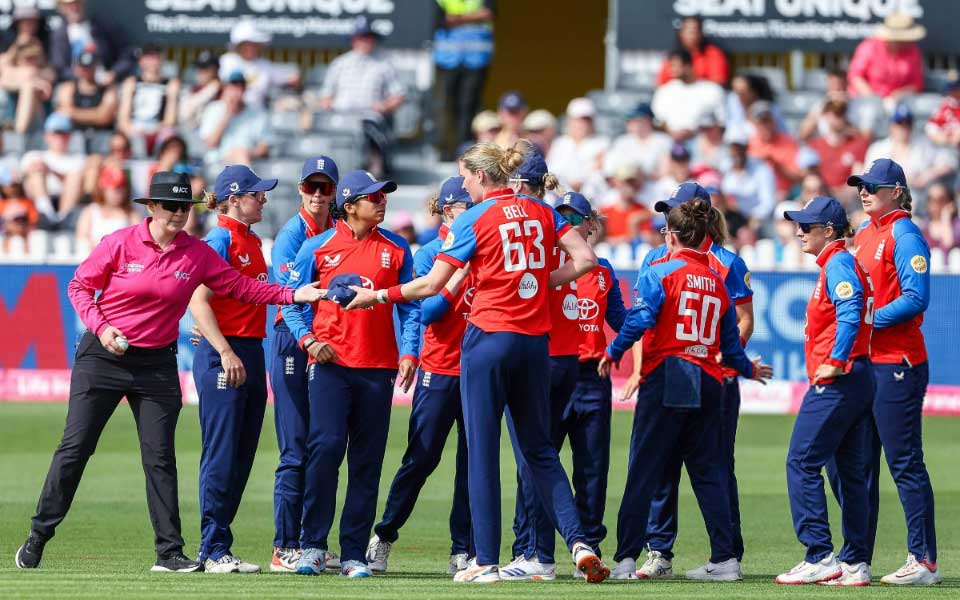
Playing at home is England’s greatest advantage. Familiarity with local conditions, pitches, and weather patterns will allow them to adapt quickly and maximize their strengths. Their bowlers, in particular, can exploit overcast conditions effectively.
The top order has shown signs of inconsistency. Danni Wyatt-Hodge and Alice Capsey are crucial to England’s success, but if early wickets fall, the batting line-up can come under pressure against quality pace attacks.
Ireland
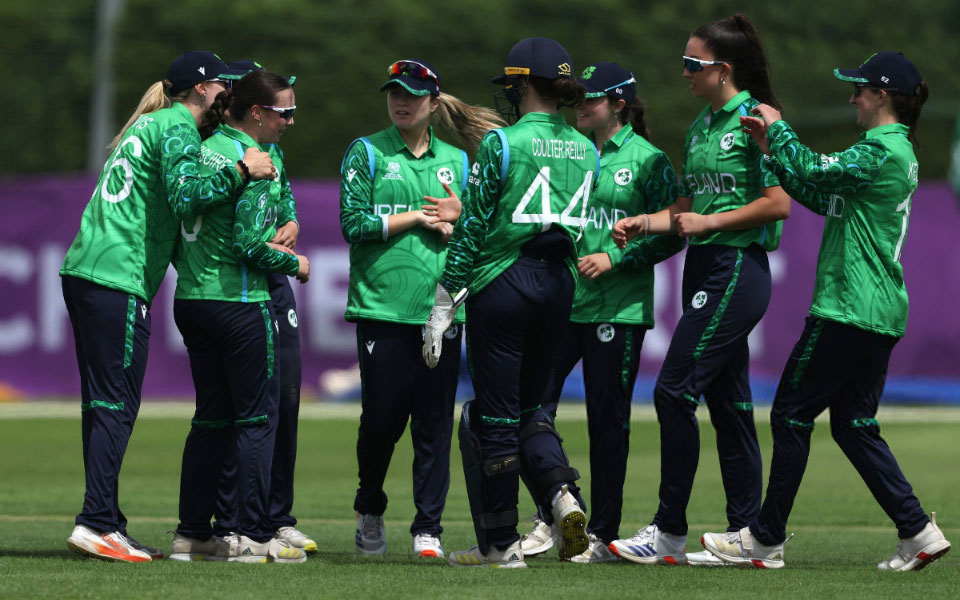
Ireland’s top-order batters are in excellent form. Gaby Lewis, Orla Prendergast, and Amy Hunter provide a solid foundation and have the ability to challenge even the strongest bowling attacks.
Batting depth remains a concern. With several inexperienced players in the lower order, Ireland may struggle against elite bowling attacks if the top order fails to deliver.
New Zealand
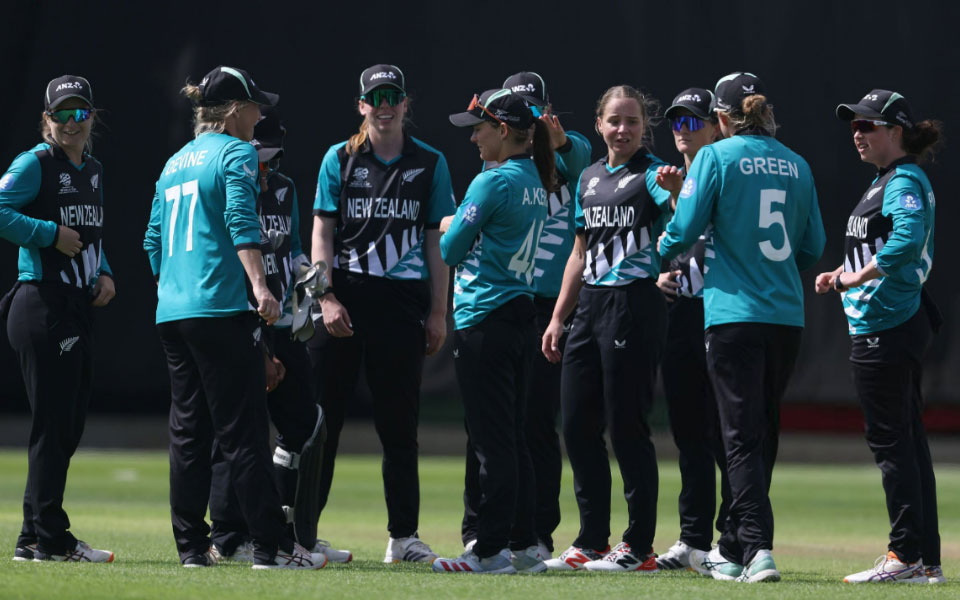
New Zealand’s experienced core is their biggest asset. Sophie Devine, Suzie Bates, and Melie Kerr bring leadership, skill, and composure, while their wealth of international experience is invaluable in tournament cricket.
The White Ferns can sometimes become overly reliant on their senior stars. If the experienced top-order players fail, the middle order has occasionally struggled to maintain scoring momentum.
Scotland
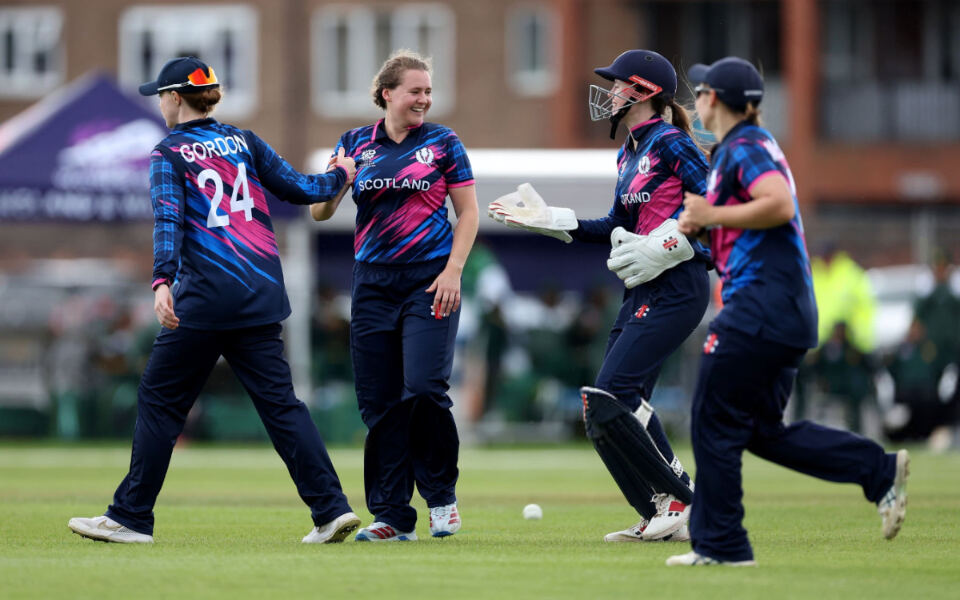
Scotland’s greatest asset is their settled group of all-rounders. Captain Kathryn Bryce and wicketkeeper-batter Sarah Bryce form a highly experienced and dependable partnership, while former England spinner Kirstie Gordon adds valuable expertise.
However, the batting line-up can become vulnerable if opposition teams dismiss the Bryce sisters and Darcey Carter early. The lower order has often found it difficult to maintain the required scoring rate against stronger teams.
Sri Lanka
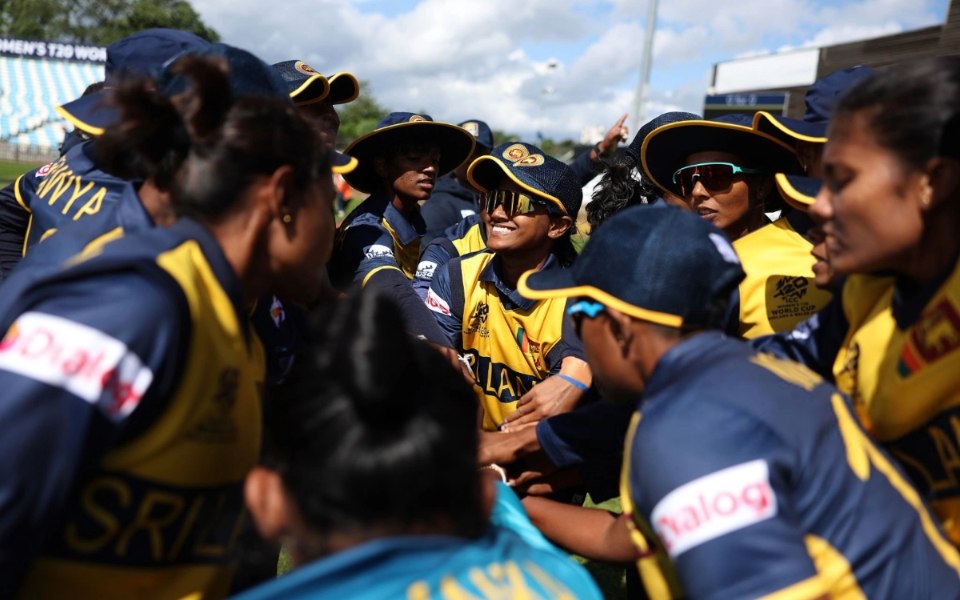
Captain Chamari Athapaththu remains Sri Lanka’s most influential player. Alongside Vishmi Gunarathne and Harshitha Samarawickrama, she forms a strong and experienced top-order unit capable of anchoring innings and accelerating when required.
While the batting unit contains several experienced performers, the bowling attack lacks proven depth at the highest level. With multiple tournament debutants in the squad, handling pressure on the global stage could be a challenge.
West Indies
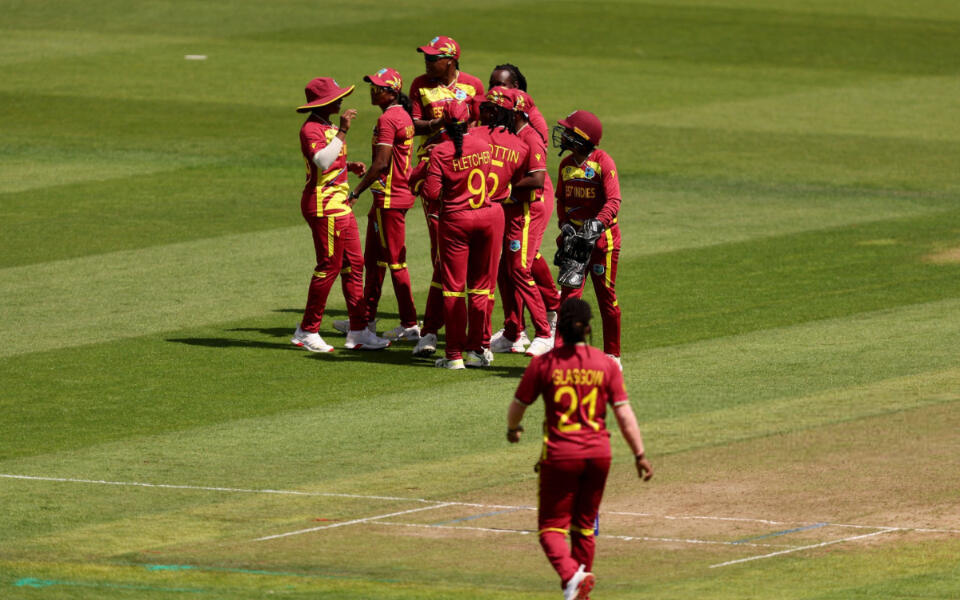
The West Indies possess one of the most powerful all-round groups in the tournament. Hayley Matthews, Deandra Dottin, and Stafanie Taylor bring match-winning ability, while Chinelle Henry and Qiana Joseph add further firepower to the batting line-up.
The team relies heavily on its experienced stars. Beyond the senior core, several younger players, including Jahzara Claxton, Ashmini Munisar, Jannillea Glasgow, and Zaida James, are still developing at the international level. If the senior players fail, the team’s scoring momentum can quickly stall.

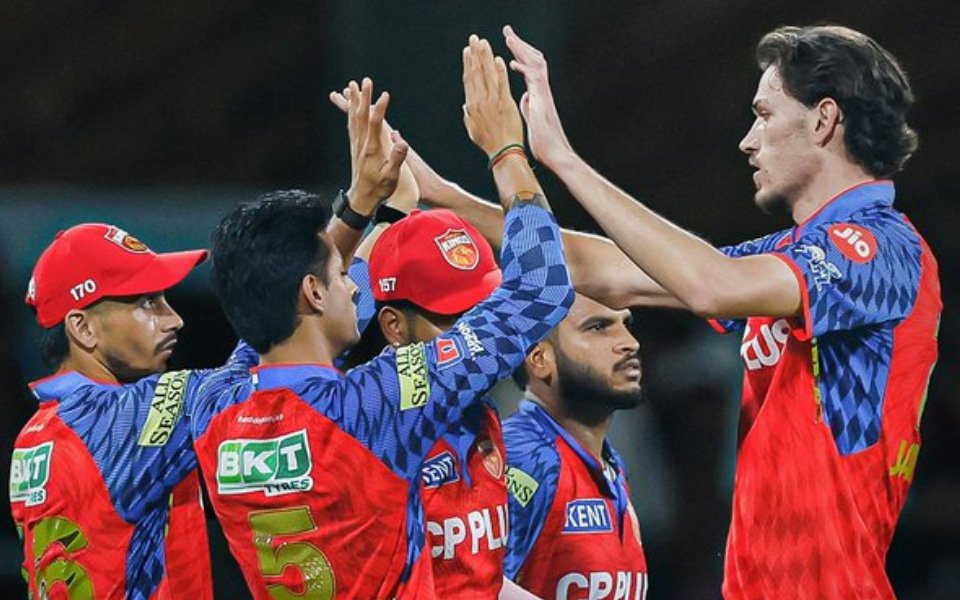
Punjab Kings had a mixed IPL 2026 campaign, finishing fifth in the league stage with seven wins from 14 matches and 15 points. A run of six consecutive defeats late in the season ended their playoff hopes, a sharp contrast to their runners-up finish in IPL 2025.
Under captain Shreyas Iyer and head coach Ricky Ponting, PBKS made their retention calls ahead of IPL 2027. However, with just ₹18.6 crore left in their purse and six slots to fill at the December 16 auction, a few of those decisions appear difficult to justify.
Here are the 3 players Punjab Kings should not have retained:
3. Harnoor Singh

Harnoor Singh was picked up by Punjab Kings at the 2025 IPL auction for ₹30 lakh. He was retained for IPL 2026 but did not feature prominently in the team’s plans throughout that season.
However, PBKS have chosen to retain Harnoor again ahead of IPL 2027, once more at ₹30 lakh. Considering the side has only ₹18.6 crore and six auction slots available, holding onto a player who has had limited opportunities across two seasons reduces the franchise’s room to bring in players who could contribute more immediately.
2. Musheer Khan
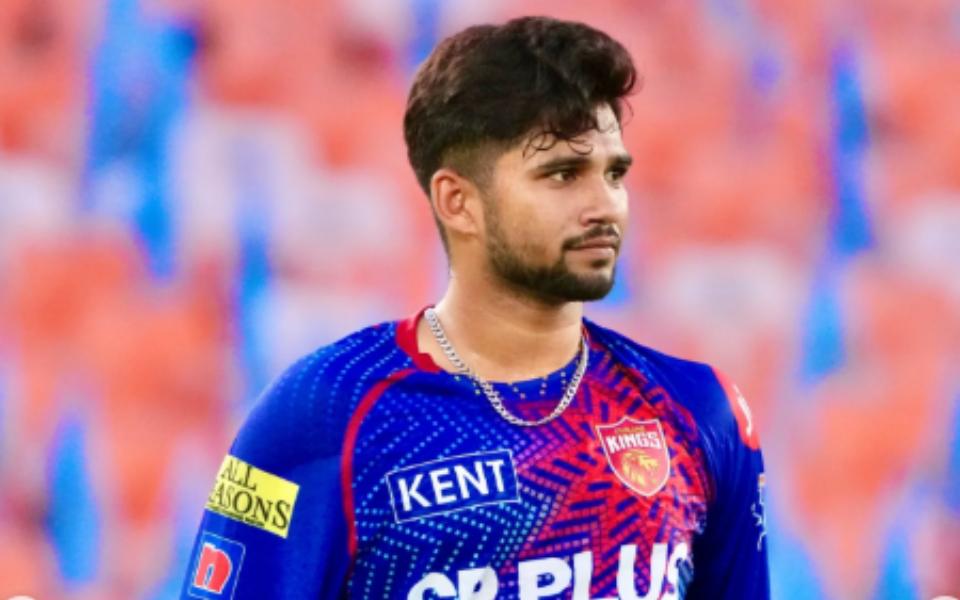
Musheer Khan, a right-handed batter and left-arm orthodox spinner, joined Punjab Kings at ₹30 lakh and was part of the squad for IPL 2026. Although he was available throughout that season, he has managed just one IPL appearance to date.
That solitary outing came in Qualifier 1 of IPL 2025, when PBKS faced Royal Challengers Bengaluru. Musheer scored no runs and claimed one wicket in that match. If PBKS had released him ahead of IPL 2027, the freed slot could have been used to address a more pressing need. However, the franchise retained him at ₹30 lakh for the 2027 cycle. If he is not in PBKS’ long-term plans in the upcoming edition of IPL, they could have released him so that any Musheer would have some game time elsewhere.
1. Vishnu Vinod

Vishnu Vinod, a wicketkeeper-batter, was retained by Punjab Kings at ₹95 lakh and featured in two matches during IPL 2026. He scored 15 runs in those appearances, including one unbeaten knock, at a strike rate of 187.50.
However, PBKS already have Prabhsimran Singh as a wicketkeeper option in their retained squad for IPL 2027. Releasing Vishnu Vinod would have given the franchise an extra slot and additional funds to target a more versatile or impactful player at the auction. Retaining him at ₹95 lakh, given his two-match contribution in 2026, is a call that could limit PBKS’s flexibility when the auction opens on December 16.

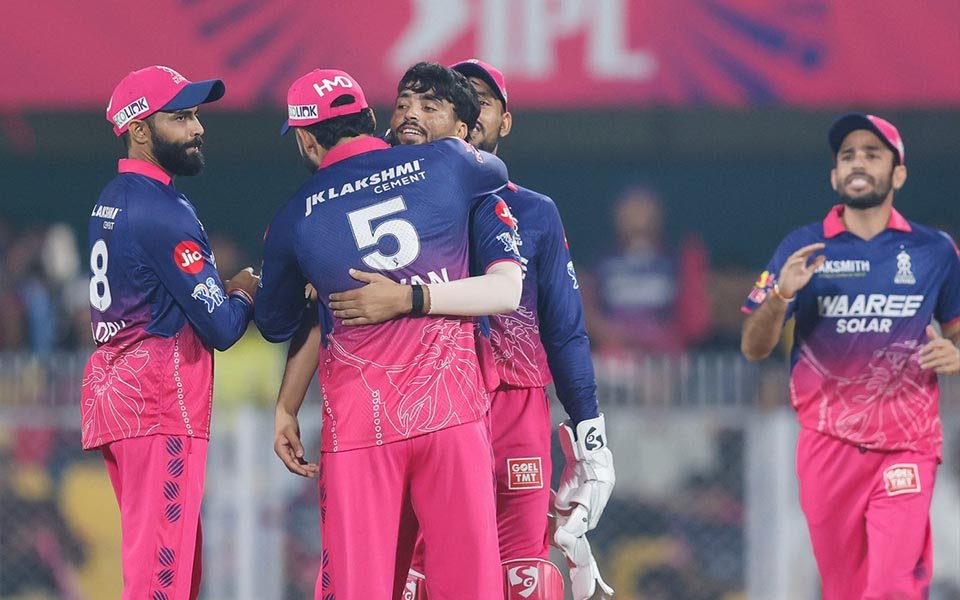
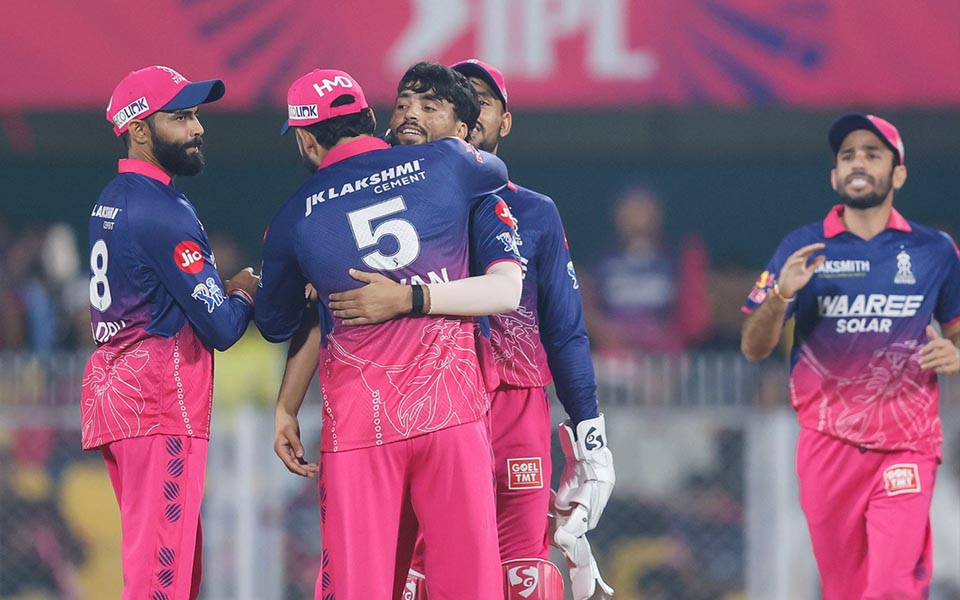
Rajasthan Royals confirmed their IPL 2027 squad shape on November 17, 2026, retaining 19 players and heading into the upcoming mini-auction with ₹27.05 crore left in their purse. The franchise has six slots to fill, three of which are reserved for overseas players.
Among the nine players let go, three stand out as decisions that could come back to haunt the Royals. Each of them brought something specific to the squad.
3. Kwena Maphaka
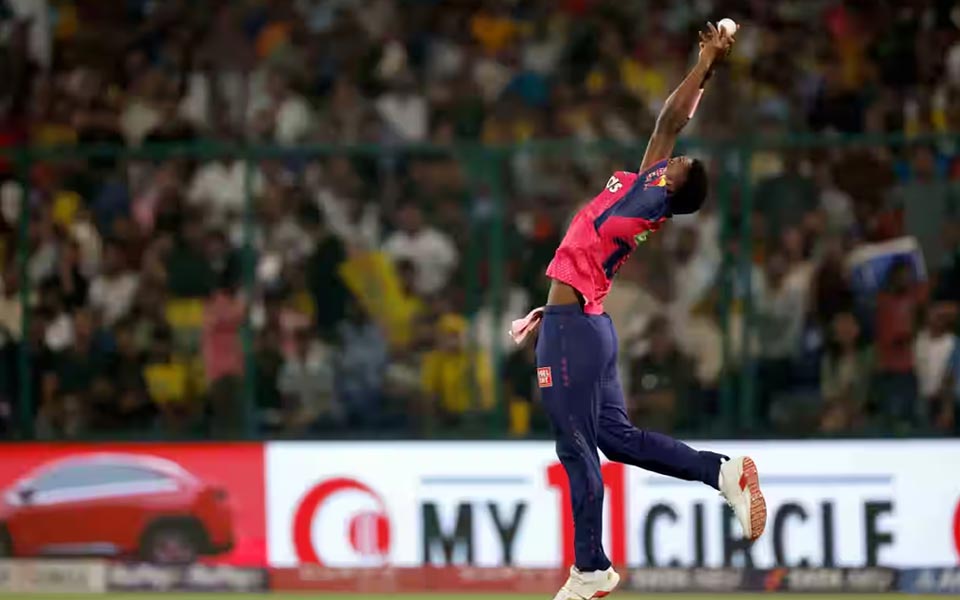
Kwena Maphaka was released by Rajasthan Royals despite being a high-pace left-arm quick who regularly bowls at 145 kph and above. The South African pacer, who is 20 years old, had been building international exposure with South Africa and was contracted at just ₹1.50 crore.
Releasing Maphaka saves the Royals a marginal ₹1.50 crore, yet they now head into the mini-auction needing to replace a developmental bowler who offers genuine pace from the left-arm angle. Franchises such as LSG, who hold ₹47.45 crore in auction purse, will be well-placed to outbid RR for similar profiles.
2. Sam Curran
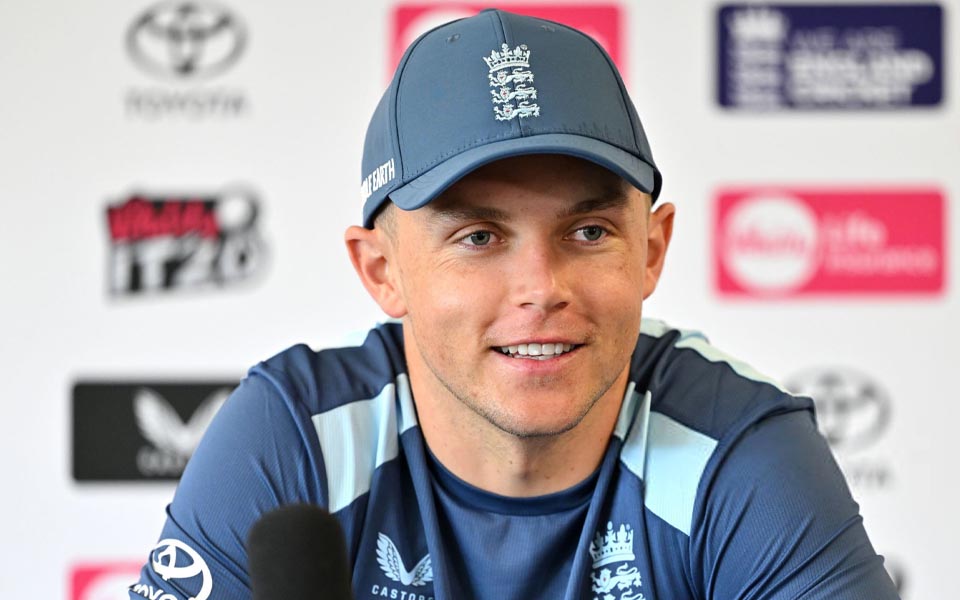
Sam Curran did not play a single game for Rajasthan Royals in IPL 2026 after suffering a groin injury following his trade from Chennai Super Kings. His contract value at RR stood at ₹2.40 crore.
Bringing in Mohammed Shami from LSG at ₹8 crore strengthens the seam attack, but retaining Curran alongside Shami would have provided cover given Jofra Archer’s workload demands and Shami’s own history with injuries. Curran’s ability to bowl in any phase of the innings and contribute as a left-handed batter lower down the order made him a low-cost insurance option that RR have now moved on from.
1. Shimron Hetmyer
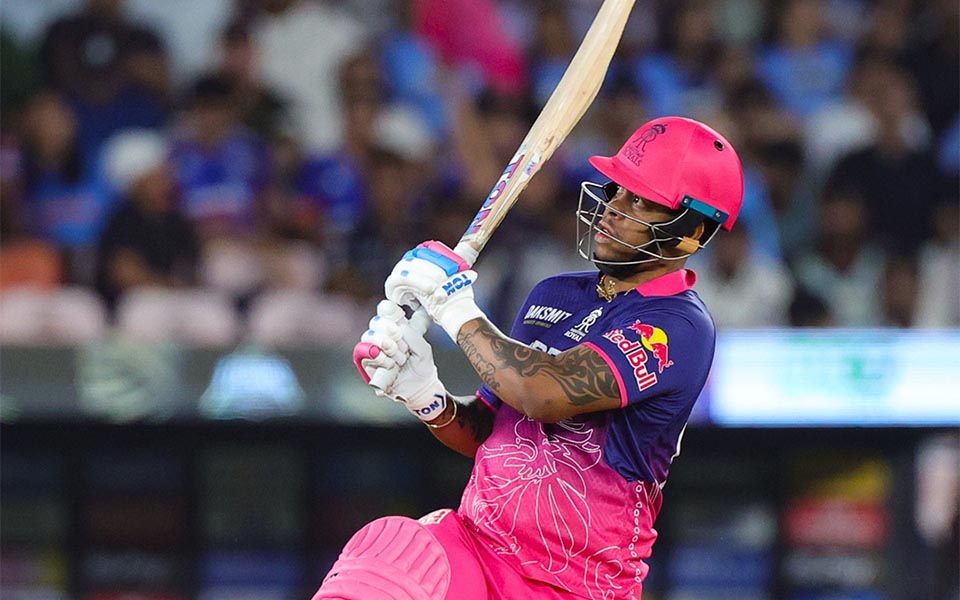
Shimron Hetmyer managed only 78 runs across 7 innings in IPL 2026, and RR chose to release him from his ₹11 crore contract. However, buying a like-for-like replacement at the mini-auction on December 16 is unlikely to be straightforward or cheap.
With Hetmyer no longer in the squad, the lower-middle order now depends on Donovan Ferreira, Dasun Shanaka, and Ravindra Jadeja to provide the finishing firepower. Hetmyer was first acquired by RR at the 2022 IPL mega auction for ₹8.50 crore against a base price of ₹1.50 crore, and his power-hitting in the death overs had been a key feature of the franchise’s batting plans across multiple seasons.
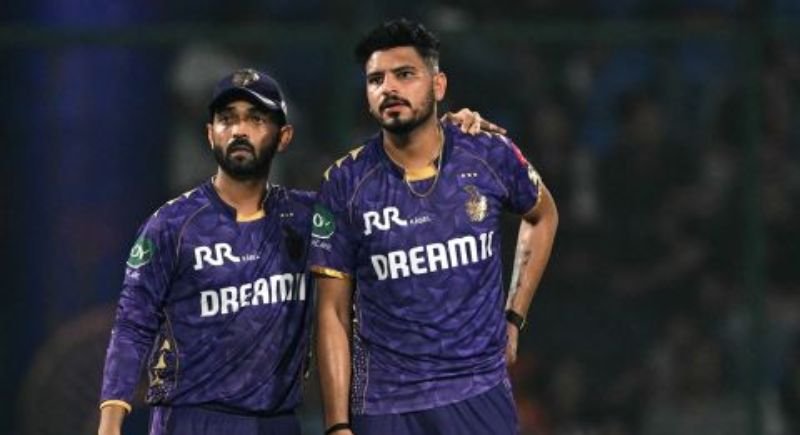
Kolkata Knight Riders announced their retained squad ahead of the IPL 2027 mini-auction, keeping 17 players and releasing 12 ahead of the November 17, 2026 deadline. The franchise now holds a remaining purse of INR 41.65 crore and eight slots, including three overseas spots, to fill at the auction.
KKR have failed to qualify for the playoffs in both IPL 2025 and IPL 2026, finishing 8th and 7th, respectively, in the league stage. With the mini-auction approaching, three of their retention calls appear difficult to justify on current evidence.
3. Vaibhav Arora

Vaibhav Arora first appeared for Kolkata Knight Riders in 2021 before returning to the franchise in 2023, and KKR have now retained him for INR 1.80 crore ahead of IPL 2027. The right-arm seamer did contribute 17 wickets from 12 games in IPL 2025, making him joint-leading wicket-taker for KKR alongside Varun Chakravarthy that season. However, his output dipped to 11 scalps from 11 games in IPL 2026, and he averaged 35.45 with the ball.
Across the last two seasons, Arora has conceded runs at more than 10 an over, which is a significant concern in a format where economy is as important as wickets. KKR released Akash Deep, a Bengal pacer who is familiar with Eden Gardens conditions, despite the fact that an injury had kept him out of IPL 2026. Retaining Arora over a bowler with Deep’s home-ground knowledge and pedigree is a call that may come back to haunt the franchise.
2. Manish Pandey
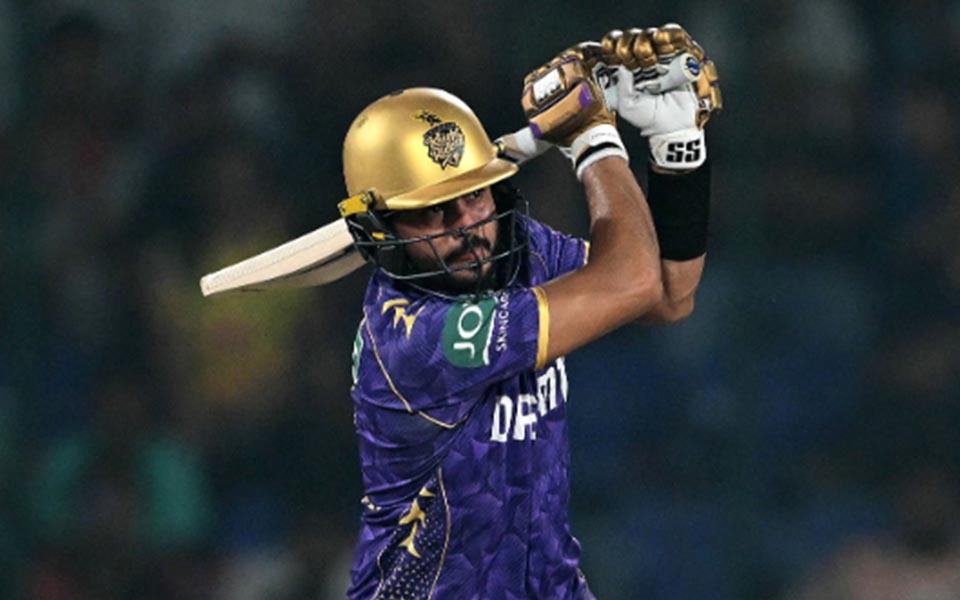
Manish Pandey has been part of the IPL since the tournament’s very first edition in 2008, and KKR have retained the right-handed batter for INR 75 lakh ahead of IPL 2027. His fielding continues to be a genuine strength, and he can still serve as an anchor on difficult batting surfaces. However, modern T20 cricket increasingly rewards batters who attack from the first ball, and Pandey’s method of settling in before going for big shots sits at odds with that trend.
Aggressive top-order batters such as Vaibhav Suryavanshi and Priyansh Arya have reset expectations for scoring rates at the top of the order. Most IPL pitches are now belters where totals of 200-plus do not guarantee a win, which further limits the value of a patient, anchor-style approach. KKR could have used that INR 75 lakh slot on a more dynamic younger batting option at the mini-auction.
1. Cameron Green
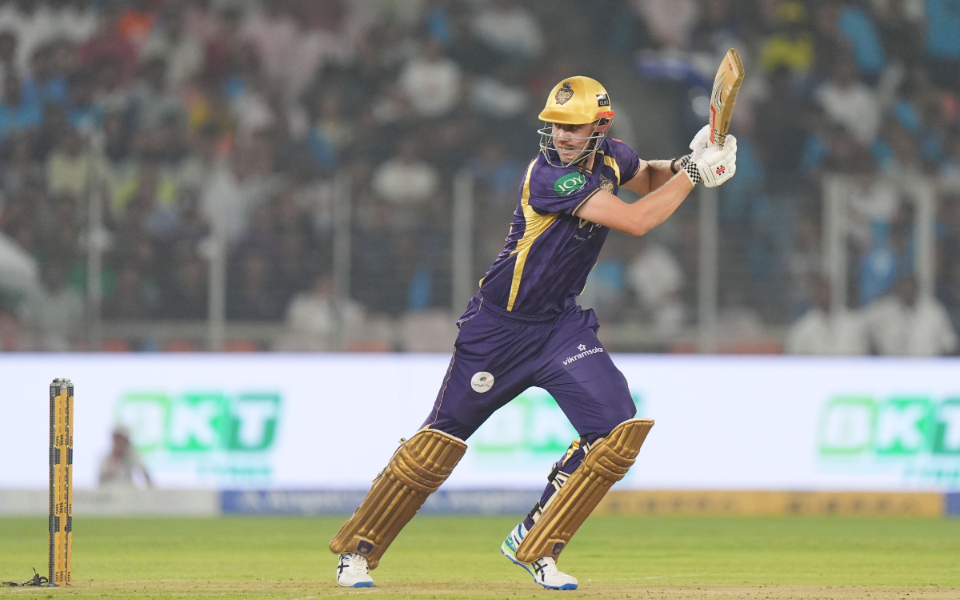
Cameron Green was bought by KKR for INR 25.20 crore at the IPL 2026 auction, making the Australian all-rounder the most expensive overseas player and the third most expensive player in IPL history at that point. KKR have retained Green at the same INR 25.20 crore figure for IPL 2027, yet his availability for the tournament carries serious question marks. The Ashes and the ODI World Cup are both scheduled in 2027, and Cricket Australia may be reluctant to allow Green to risk injury in the IPL given those two marquee commitments.
Green also failed to make a big impact in IPL 2026, raising doubts about his returns even when fit. Is Green worth INR 25.20 crore purely as a specialist batter if he cannot bowl? Retaining Green at that price without clarity on his bowling fitness or his availability window is a significant gamble for a side that has already missed the playoffs twice running.
-

 Athletics2 months ago
Abeokuta 10km Race winners praise organisers after ₦6m prize payout
-
Featured3 months ago
Bet9ja Foundation Ex-Internationals Cup: Babington Lift Giant Trophy, Pocket ₦2.5m After 3–1 Final Win
-
 Basketball7 months ago
PBA slaps ₱20k fine on Calvin Abueva for F2 upgrade vs Magnolia
-
 DLSU9 months ago
Shan Nunag shows composure beyond year in La Salle debut
-

 News9 months ago
Camilla Lamina shows calm leadership even off the bench
-
Football9 months ago
2026 Uganda Cup: The confirmed fixtures, venues & kick off times at round of 32
-
Foreign Pros9 months ago
‘Eric Chelle must pay compensation to quit Super Eagles post’
-
ADMU9 months ago
Palarong Pambansa MVP Baterbonia commits to Ateneo