
Cricket Appeal
PSL vs IPL – Comparison of total money spent at 2026 auctions



The franchise cricket season in Asia is set to ignite once again, with the Indian Premier League (IPL) and the Pakistan Super League (PSL) scheduled to begin in the last week of March 2026. Over the years, both leagues have established themselves as premier T20 tournaments, attracting global stars and commanding significant financial investments. However, a comparison of the total money spent in their 2026 auctions highlights the vast financial gap between the two competitions.
The IPL conducted its 2026 mini-auction in grand fashion, once again underlining its financial dominance in the world of franchise cricket. A total of 77 players were sold, including 29 overseas cricketers. The franchises collectively spent INR 215.45 crore, reflecting the league’s massive commercial strength.
The biggest purchase of the auction was Cameron Green, who was bought by the Kolkata Knight Riders (KKR) for INR 25.20 crore. The auction also witnessed record-breaking bids for uncapped players, with Kartik Sharma and Prashant Veer sold to Chennai Super Kings (CSK) for INR 14.20 crore each, the highest-ever amount paid for uncapped players in IPL history. Every franchise was active in strengthening its squad, with several lesser-known players earning life-changing deals.
On the other hand, the PSL conducted its auction in a full-fledged format for the first time. While the scale was smaller compared to the IPL, it still generated strong interest. The league spent a total of PKR 210.60 crore, which converts to approximately INR 63.18 crore. Several notable international stars, including Steven Smith, David Warner, and Daryl Mitchell, secured lucrative deals. The highest-paid player in the PSL auction was Naseem Shah, who fetched PKR 8.65 crore.
When comparing the total expenditure, the IPL’s INR 215.45 crore dwarfs the PSL’s INR 63.18 crore equivalent. The difference reflects the IPL’s stronger commercial ecosystem and global sponsorship appeal. Nevertheless, while the financial figures may differ significantly, both leagues continue to deliver high-quality cricket and thrilling entertainment across the subcontinent.
| League | Amount (INR) |
| Indian Premier League 2026 mini-auction | 215.45 crore |
| Pakistan Super League 2026 auction | 63.18 crore |
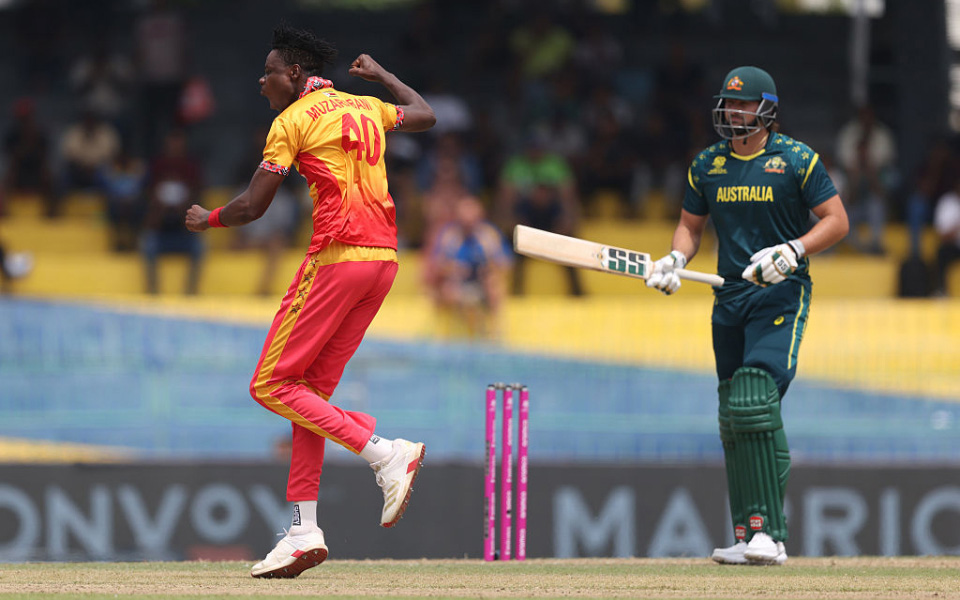
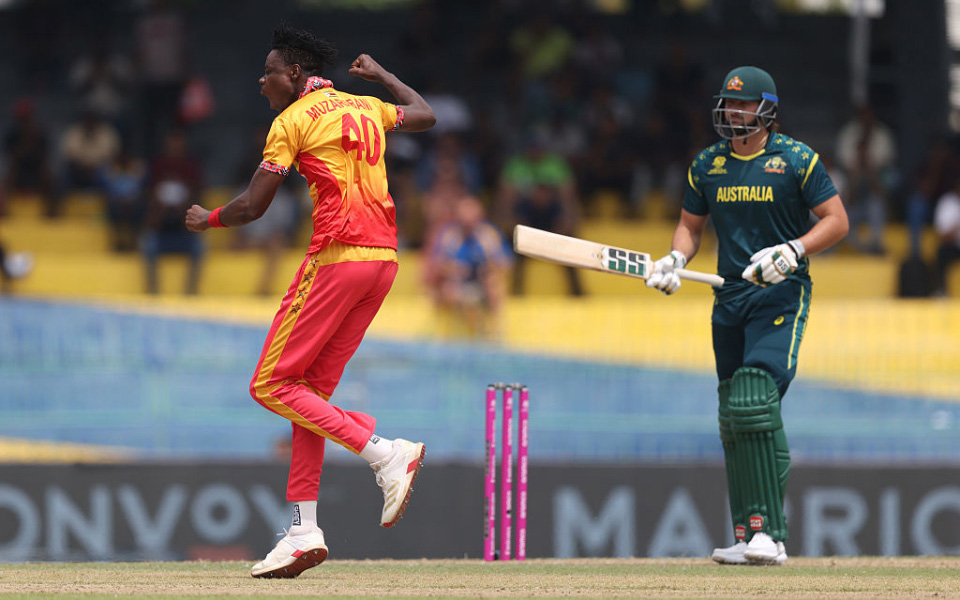
Australia’s national cricket team entered the ICC Men’s T20 World Cup 2026 as one of the pre-tournament favourites, but their campaign has taken an unexpected turn. The marquee event is currently underway from February 7 to March 8, co-hosted by India and Sri Lanka. After beginning with a win over Ireland national cricket team, Australia suffered a shocking defeat against Zimbabwe, putting their qualification hopes in jeopardy.
Ahead of the tournament, Australia appointed Mitchell Marsh as captain. However, an injury ruled him out, forcing the team to hand over leadership duties to Travis Head. The injury setbacks did not end there, as premier pacers Josh Hazlewood and Pat Cummins were also sidelined. In their absence, the pace attack has been led by Nathan Ellis and Ben Dwarshuis, who now carry the responsibility of steering the bowling unit.
How can Australia qualify for Super Eights after losing to Zimbabwe?
With one win from two matches, Australia currently sit third in the group standings. They have two crucial fixtures remaining in the group stage, against Sri Lanka on February 16 and Oman on February 20. Both games are scheduled at Pallekele International Cricket Stadium. The most straightforward route to qualification is simple, win both remaining matches. By doing so Australia can attain six points, significantly boosting their chances of finishing in the top two and advancing to the Super Eight stage.
There is also a more complicated scenario. Australia could qualify by winning one of their remaining matches, but they would then depend on other results. If Sri Lanka and Zimbabwe lose their remaining group matches, multiple teams could finish level on points. In that case, Net Run Rate (NRR) would determine the final standings, meaning Australia would need a convincing win to improve their NRR.
However, if Australia lose both of their remaining matches, their campaign will end in the group stage. With Oman already eliminated, Australia must quickly regain momentum to keep their World Cup hopes alive.
The Indian team has been in exhilarating form in the shortest format ever since they won the T20 World Cup for the second time in 2024. Head coach Gautam Gambhir and captain Suryakumar Yadav have backed the youngsters, giving them the freedom to express themselves.
India have not lost a T20I series after their win in the 2024 T20 World Cup. While the batting department has hogged the limelight thanks to star performers like Abhishek Sharma and Hardik Pandya, the bowlers have also stood up and made life difficult for opposition batters.
On that note, let’s take a look at three Indian bowlers with best economy rates in T20Is since the 2024 World Cup.
Top 3 Indian bowlers with best T20I economy rates since 2024 World Cup (Minimum 15 wickets):
3. Ravi Bishnoi
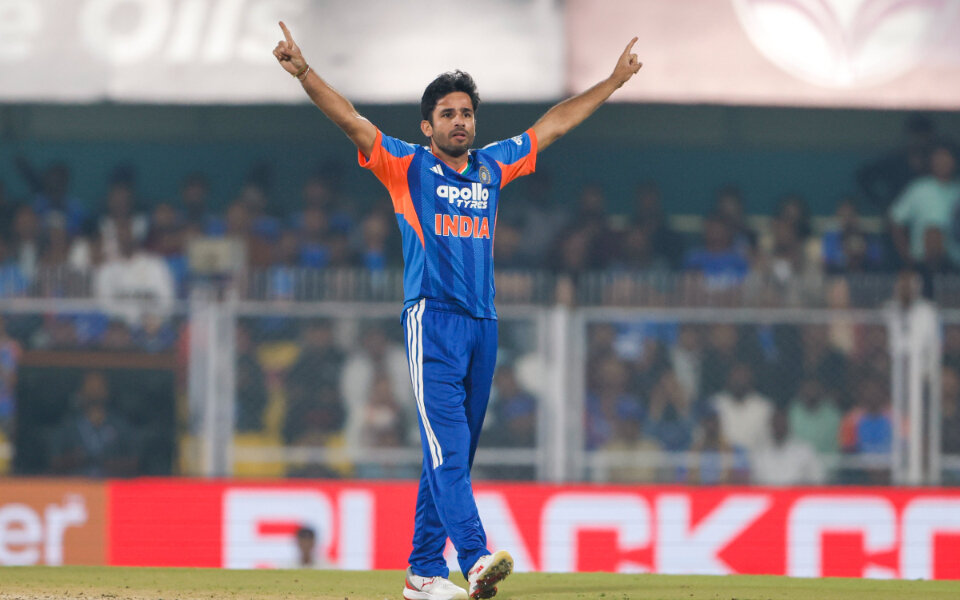
Ravi Bishnoi played 20 matches since the 2024 T20 World Cup. He picked up 28 wickets at an average of 19.50 and a strike rate of 16. The 25-year-old has an economy rate of 7.28, which is brilliant for an aggressive leg-spinner.
Bishnoi remained out of favour for a considerably amount of time, especially after Varun Chakaravarthy made a fantastic return to international cricket. However, he made a comeback during the recently-concluded series against New Zealand and bagged three wickets in two games.
2. Axar Patel
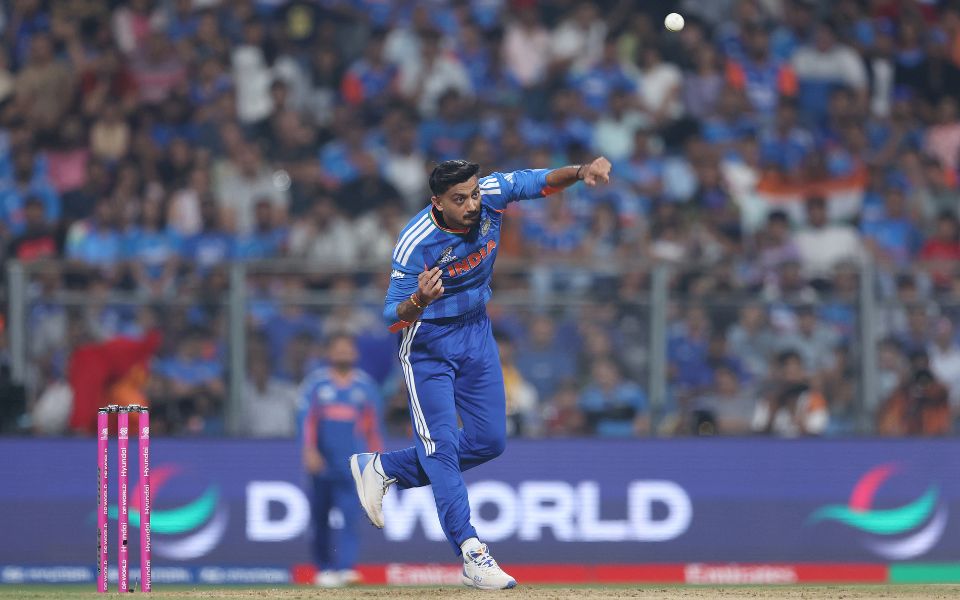
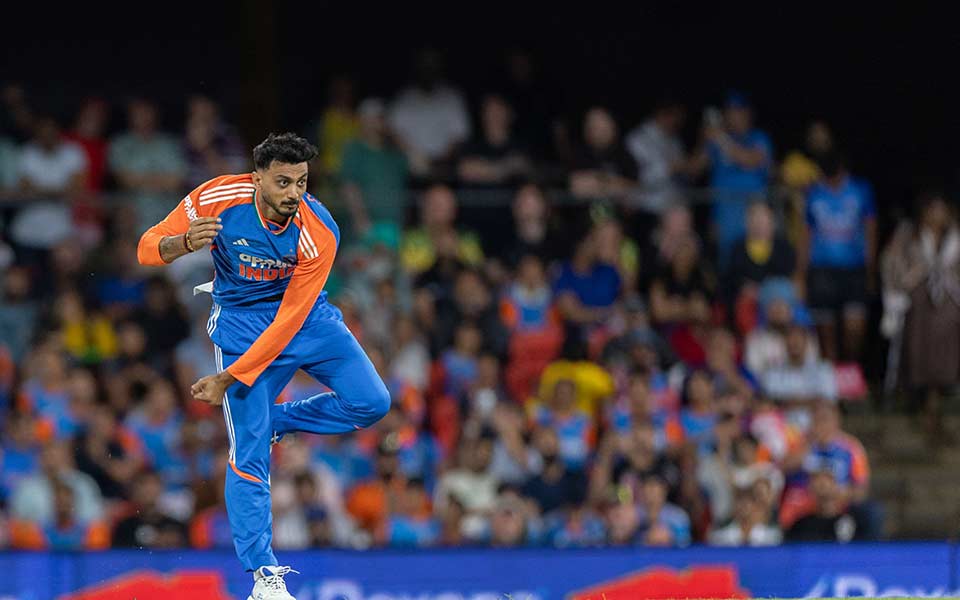
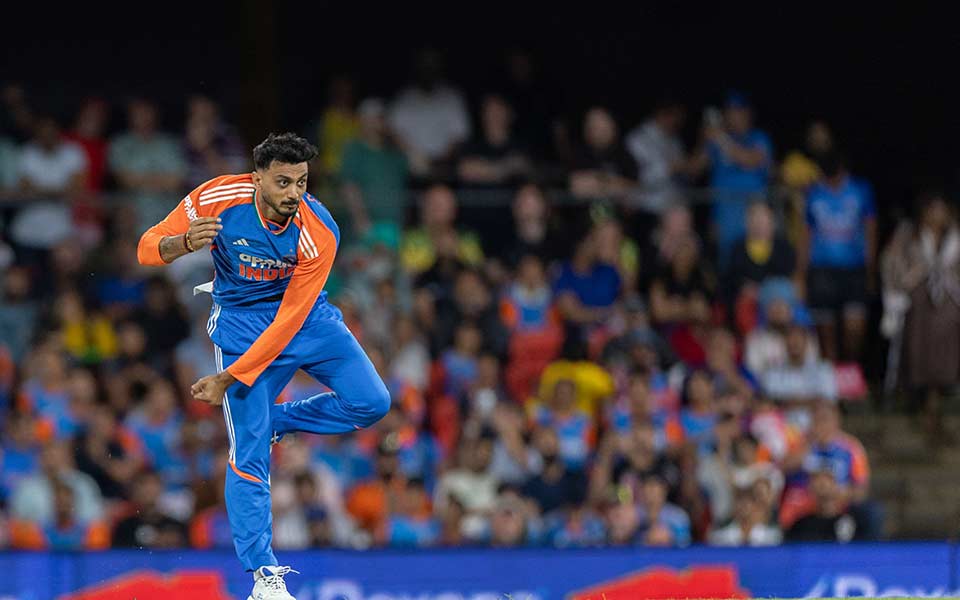
Axar Patel was a part of the Indian team that won the T20 World Cup in 2024. He is currently in his second run as vice-captain of the Indian T20 team. The spin-bowling all-rounder has played 28 matches since the last World Cup. He has 30 wickets to his name at an average of 17.93 and a strike rate of 14.90.
Axar’s economy rate is a brilliant 7.22. Apart from his expertise as a bowler, the 32-year-old plays crucial knocks with the bat and is one of the best fielders in the Men in Blue setup. In India’s first game in the 2026 T20 World Cup, he finished with remarkable figures of 2/24 in four overs against the USA.
1. Washington Sundar
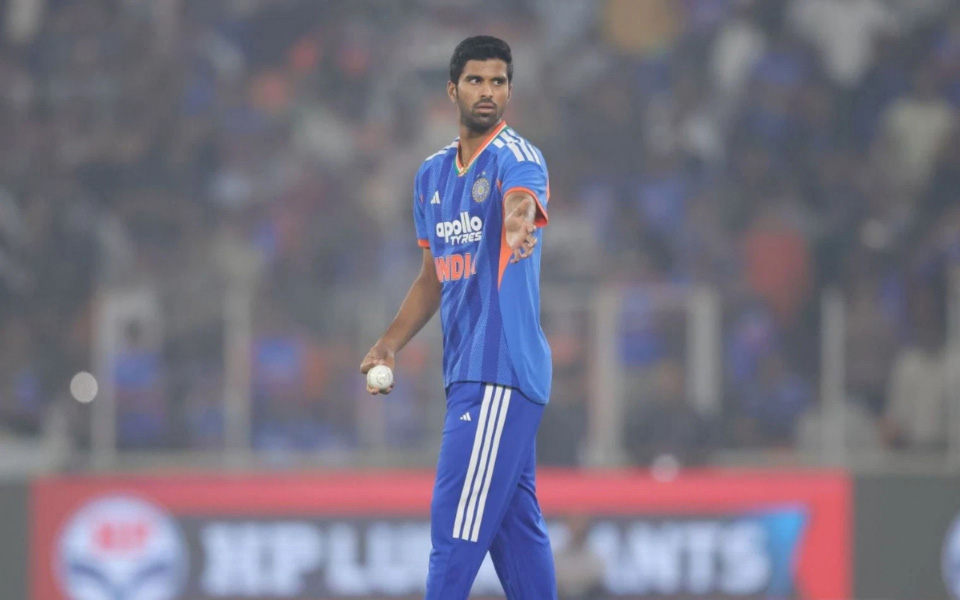
Not too many right-arm off-spinners have managed to hold their own in T20 cricket. Washington Sundar, however, has not just held his own but delivered match-winning performances with the ball. His economy rate since the last World Cup is a mind-boggling 5.79.
Sundar, who has joined the Indian team ahead of the clash against Namibia after recovering from a rib injury, has bagged 17 wickets in 15 matches since the previous World Cup and is averaging 11.35. The Tamil Nadu all-rounder has a bowling strike rate of 11.70.
-

 Cricket News3 weeks ago
T20 World Cup 2026: 'We've got to stay positive' – Afghanistan coach Jonathan Trott remains hopeful of reaching Super 8 despite back-to-back losses
-
Foreign Pros2 weeks ago
‘Eric Chelle must pay compensation to quit Super Eagles post’
-
Football1 week ago
2026 Uganda Cup: The confirmed fixtures, venues & kick off times at round of 32
-
Foreign Pros1 week ago
Super Eagles coach presents 19-point proposal to NFF
-
Football2 weeks ago
Divine Mukasa plays full time as Leicester City bows out of FA Cup to Southampton
-
Foreign Pros1 week ago
Galatasaray leave out Osimhen
-

 Cricket News2 weeks ago
T20 World Cup 2026: ‘He becomes a statue while bowling’ – Sadagoppan Ramesh slams Usman Tariq over his unusual action
-

 ADMU1 week ago
Alingalan fires hat-trick vs Claret as UST reclaims UAAP Boys Football pole